Saturday, April 7, 2007

Low Level Laser in Inner Ear disease


From my office:

My other hearing impairment case:

A young man , 29 years old, suffered from hearing impairment

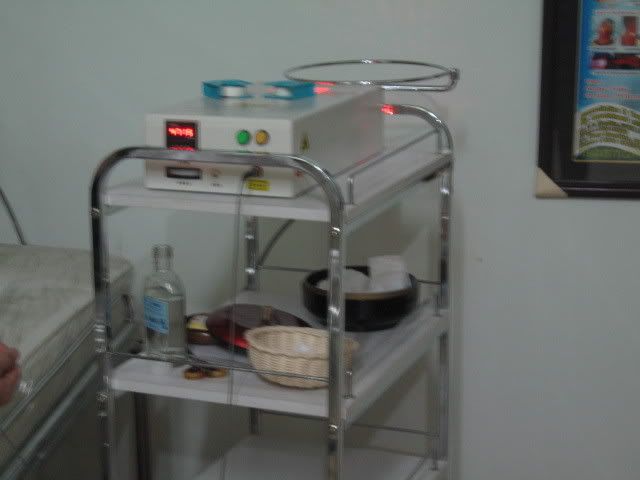
Low level laser administered for 10 times, used:


ILIB (Intravascular Laser Irradiation on Blood) and

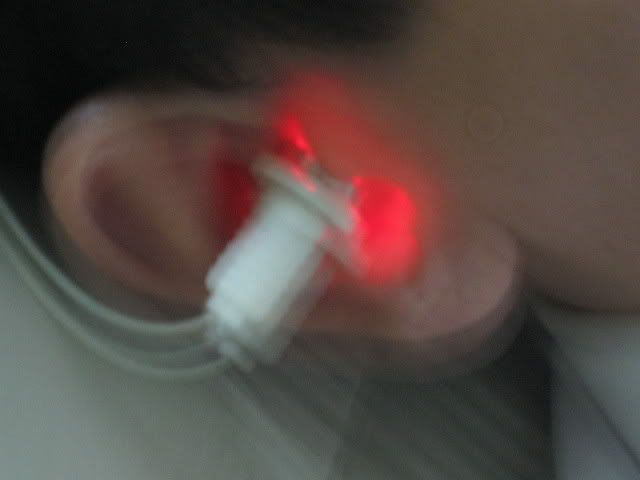
Ear probe –pulses

Length of time : 60 minutes

Results:

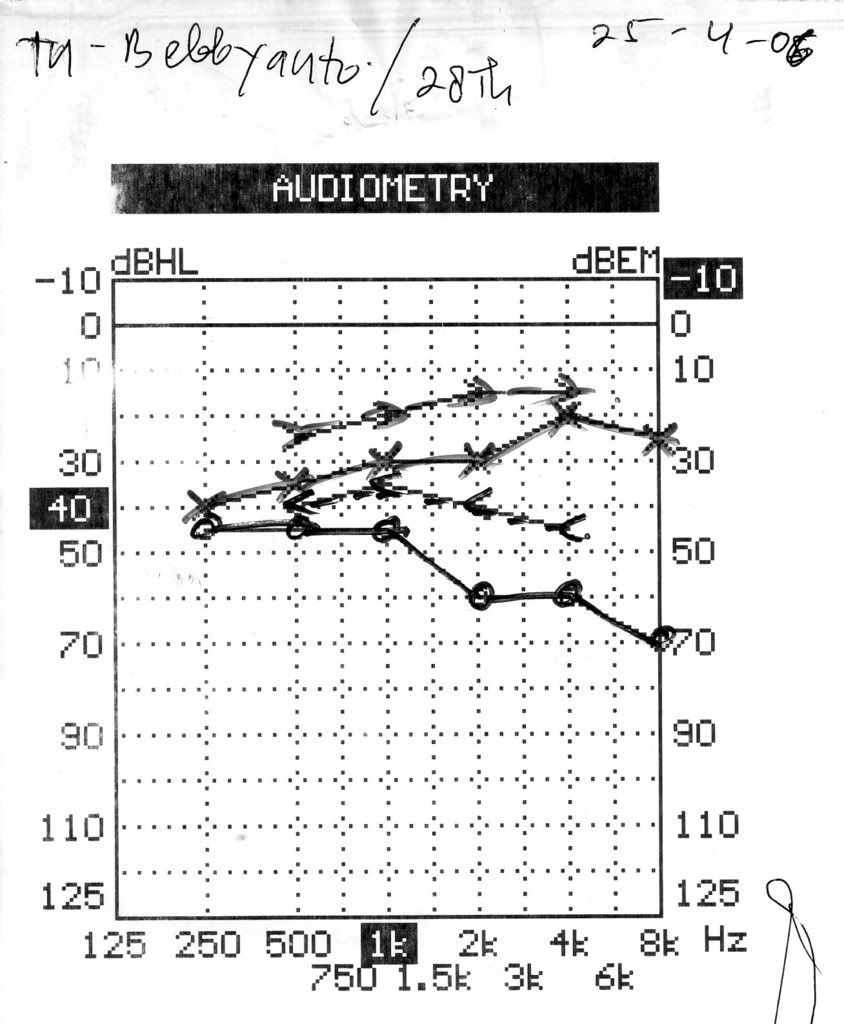
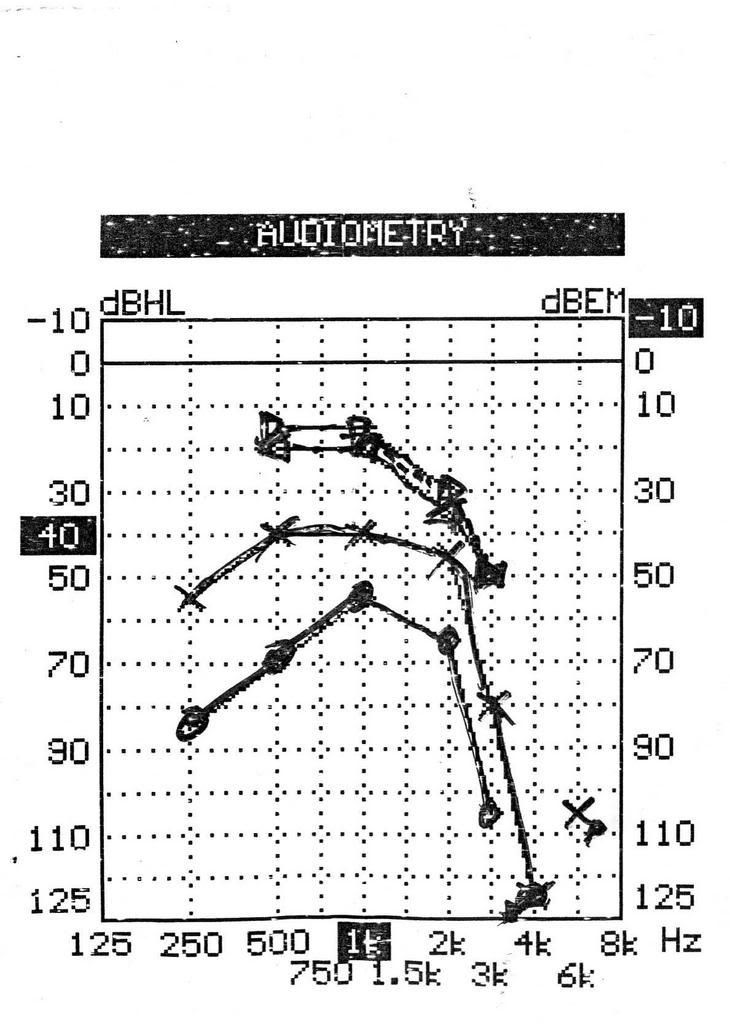
Using audiometry

right ear : increase hearing level, 2.5 db in average. Left ear 11.25 db

Tinitus decrease, cephalgia : no more


Discussion :

This young man had no balance problem. he could came by himself to my clinic, so the program : every day for 10 times.
LLLT works for hearing problem, although with tinnitus.
Is everyday and once a week have the same result?
I need more experiences, and I will share with you.
But the key :
high dose

Inner ear diseases & the inner ear

(Dr.med. Lutz Wilden)
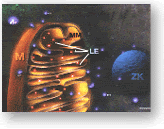
The inner mitochondrial membrane mm is a large collector surface folded onto a small total volume. All nutritive molecules (fats, proteins and glucose) are oxidized within the cell to the last molecular nutritive component, that is, pyruvate. The pyruvate is then imported into the cellular power plant, where it disintegrates into carbon dioxide and water in the immediate proximity of the collector surface of the mitochondrion. The molecular bond energy thus released, which corresponds with visible, ultraviolet and infrared light as far as its wavelength and frequency is concerned, is utilized by the mitochondrion to produce the cellular fuel ATP.
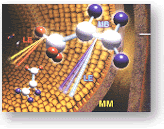
The collector surface of our cellular power plant is enlarged by the mushroom-shaped protrusions of the inner mitochondrial membrane mm. The molecular bond energy mb of the pyruvate is released in the form of light energy le.

The antennae pigments are capable of absorbing this light energy le and transmit it to our cellular power plant, which can now produce the cellular fuel ATP. The natural solar radiation also stimulates the antennae pigments of the mitochondrion to produce ATP.
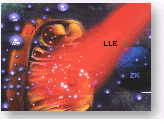
Low level laser light lll is compressed light from the red spectrum of the visible part of electro-magnetic radiation (= light). It reaches the cellular power plants of low-lying cells as well and is absorbed by their collector surfaces as an additional source of energy. The cellular power plants can thus produce more ATP. The cellular energy is the fuel the inner ear cells strives after and needs. A sufficiently high supply of cellular energy enables our inner ear cell to work under optimum conditions and is the essential prerequisite to ensure a successful self-healing process.

Saturday, March 31, 2007

Low Level Laser in Hearing Impairment


From my clinic:

Mrs Mulyani visited my clinic, with her husband, who sufferred hearing difficulty.


Her husband, 39 years old, conducted right ear mastoidectomy on 2003 . Three months ago, left ear worsened. They brought recommendation from an ENT specialist.

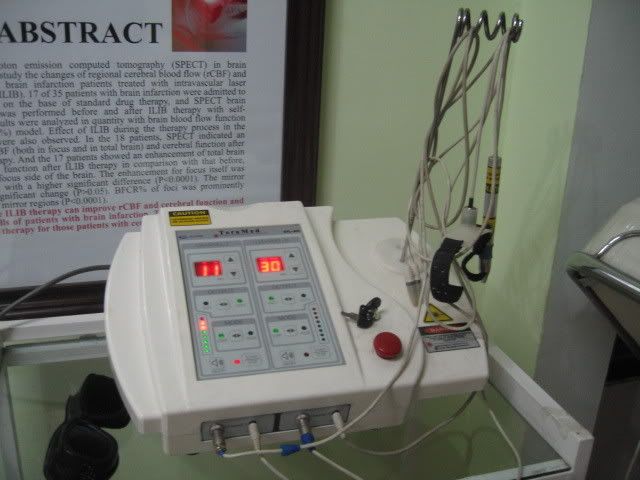
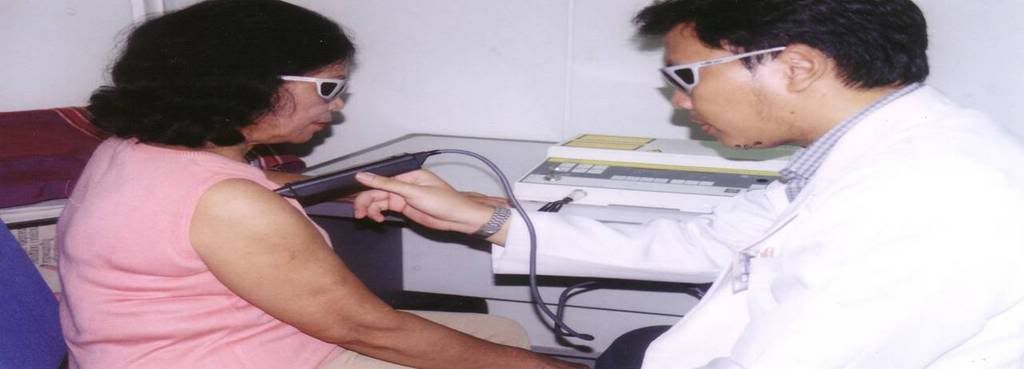
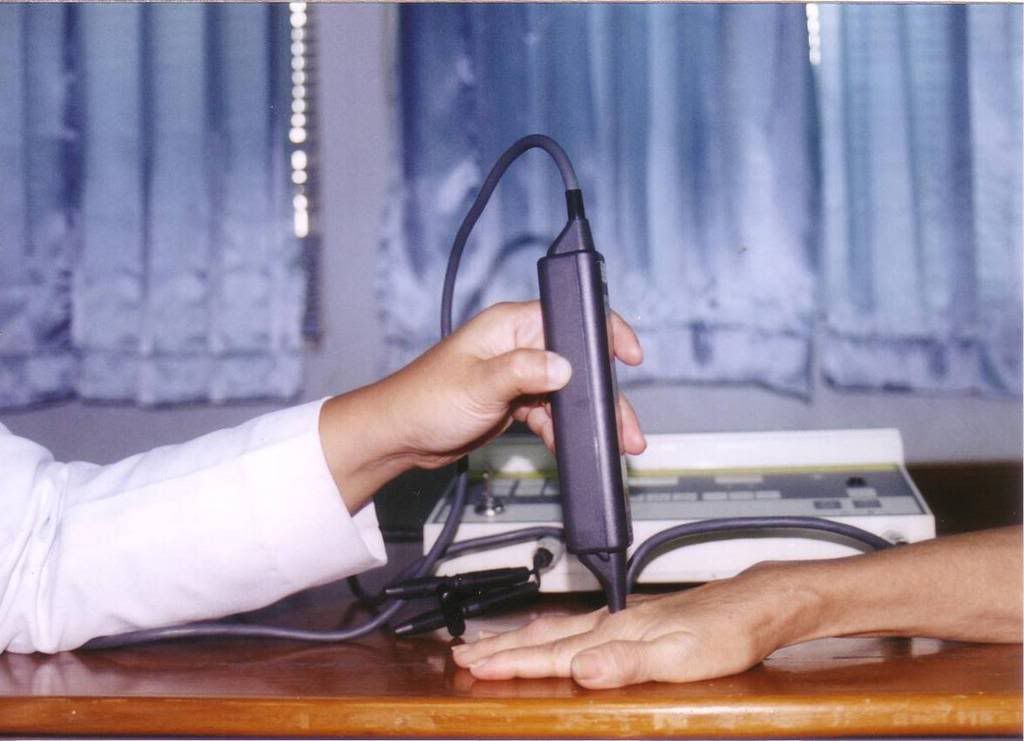
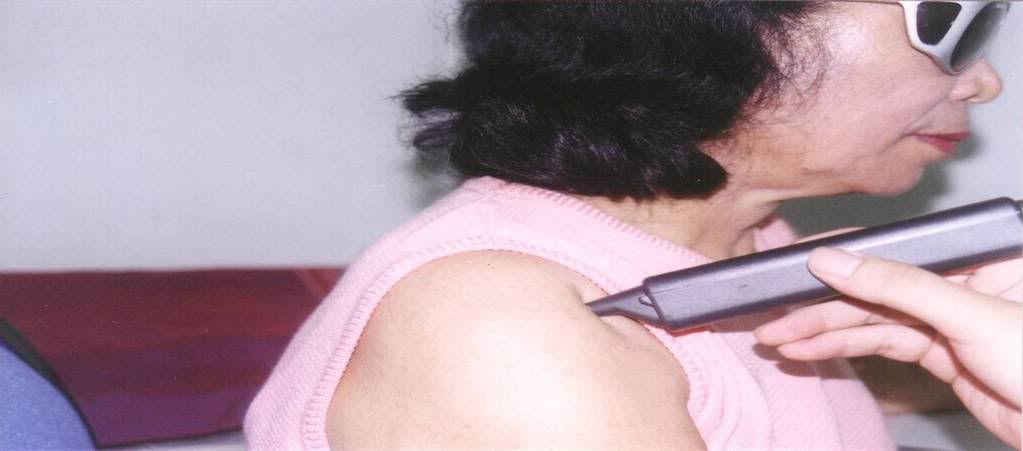
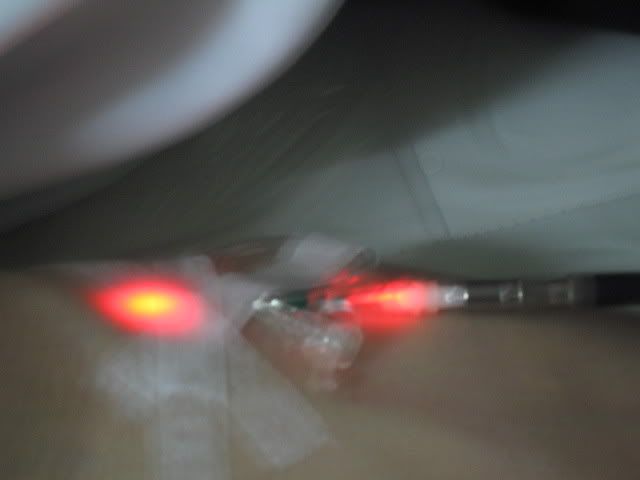
He complaint headache , noisy both ear, poor balance while walking. Low power laser given by ILIB and ear approach, ones a week, for 10 times. ILIB with opening 50 %, for 1 hour, and ear with 650 nm Low laser , 10 mW, 1 hour, pulse, for both ear. Probe approach given ones, at 9th visit, for neck spasm.


After 4th visite , could hear his son crying and adzan from mosque. .

After 5th, pain killer minimize , muscle relaxant stop .

After 6 visite, could speak with normal pitch, balance going better. No headache anymore.

After 10th: No attandane while walking, no drugs for pain, ear noise very
rare,almost disappear.

Program: going to administer 10 times again, ILIB ,and ear.

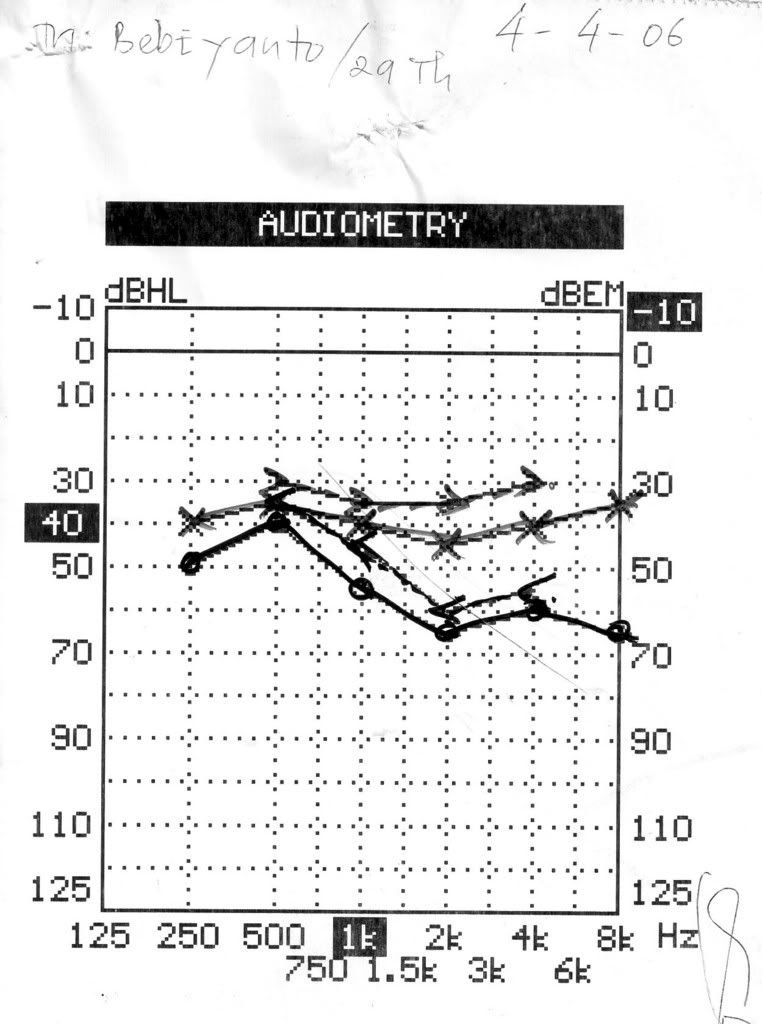
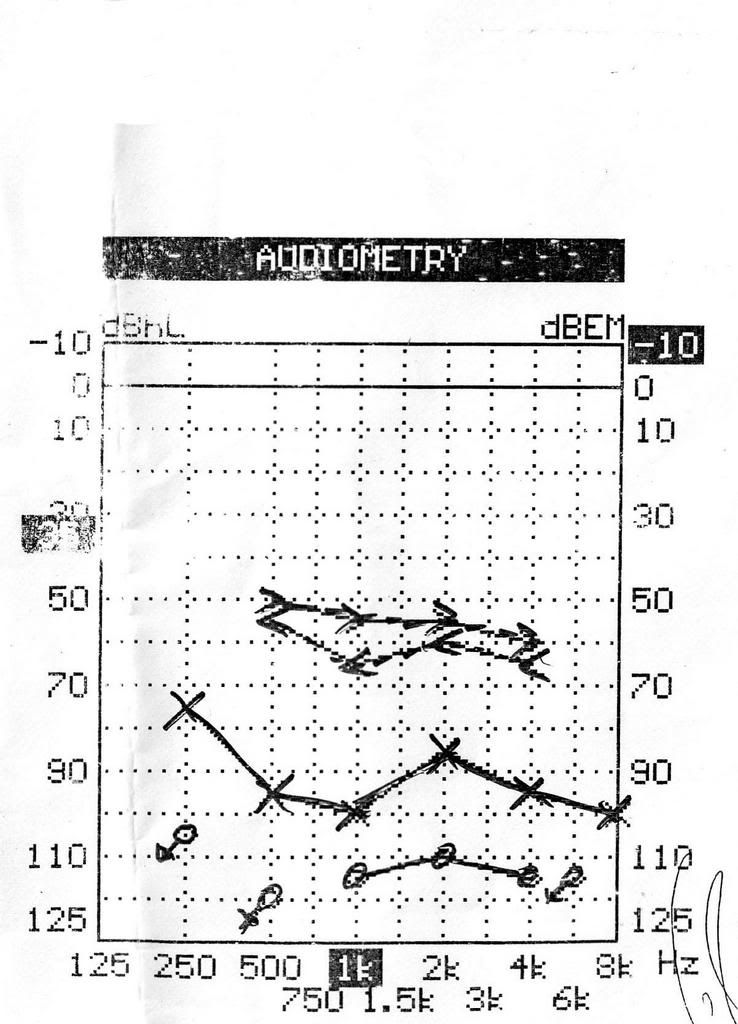
Audimetry: going better compare before LLLT.

(
Before 5 January 2007 - left diagram, After, 20 March 2007 ; right diagram)

Left : April 4, 2006 ; Right : April, 25, 2006

riht ear: increas 39 dB[ left ear increase : 19 dB


Discussion:

Balance maintance by hearing, visual , and proprioceptive. No doubt he complaint poor balance while walking. To maintain balance, he try to stabilize the neck, so muscles of the neck became stiff.

Balance , and neck muscle pain became better as well as the hearing.

I surprised, he answered my call by cell phone, after 14th therapy.

no pain killer , and muscle relaxant anymore. Tinnitus, gone.

Some journals said , LLLT not work for tinnitus.

May be the dose is to small as well as my experience before I use ILIB , and ear probe.


He is going to work again


From journals:

The low level laser therapy of inner ear diseases has been made use of in Germany since the end of the eighties (for example by Dr. Uwe Witt, Hamburg) and is also to be found in quite a few other countries (Italy, France, Scandinavia, Switzerland, Hungary, the United States of America, Russia etc.).

Since 1991, about 800 inner ear patients have been treated with low level laser light under the medical and scientifical supervision of me. The therapy results have been (and still are) continuously documented and analyzed

How does LLLT work?

Each cell contains a number of power plants, called mitochondria. The function of these power plants is to produce ATP, the form of energy which can be used by the cell to function properly.

The inner mitochondrial membrane is a large collector surface folded onto a small total volume. All nutritive molecules (fats, proteins and glucose) are oxidized within the cell to the last molecular nutritive component, that is, pyruvate. The pyruvate is then imported into the cellular power plant, where it disintegrates into carbon dioxide and water in the immediate proximity of the collector surface of the mitochondrion. The molecular bond energy thus released, which corresponds with visible, ultraviolet and infrared light as far as its wavelength and frequency is concerned, is utilized by the mitochondrion to produce the cellular fuel ATP.

The collector surface of our cellular power plant is enlarged by the mushroom-shaped protrusions of the inner mitochondrial membrane. The molecular bond energy of the pyruvate is released in the form of light energy. The antennae pigments are capable of absorbing this light energy and transmit it to our cellular power plant, which can now produce the cellular fuel ATP. The natural solar radiation also stimulates the antennae pigments of the mitochondrion to produce ATP.

The cellular power plants can thus produce more ATP. The cellular energy is the fuel the inner ear cells strives after and needs. A sufficiently high supply of cellular energy enables our inner ear cell to work under optimum conditions and is the essential prerequisite to ensure a successful self-healing process.
Low level laser light increases the energy output in our cellular power plant.

(For a detailed discussion, see article: Import of Radiation Phenomena of Electrons and Therapeutic Low-Level Laser in Regard to the Mitochondrial Energy Transfer, Journal of Clinical Laser Medicine & Surgery, Volume 16, Number 3, 1998, Mary Ann Liebert, Inc., Pp.159-165 )

Balance:

Is it possible to help the organ of balance with the high dosage low level lasertherapy by Dr. Wilden¨, specialist of Morbus Menière treatment?
Yes. Vertigo, Morbus Menière and the often in the same time existing sensation of pressure in or surround the ear can be treated very well with the high dosage low level lasertherapy by Dr. Wilden¨, specialist of Morbus Menière treatment.
* from "Das Stato-Akustische Organ" / Reiss-Walkowiak-Zenner-Plinkert-Lehnhardt

Monday, March 19, 2007

Frozen shoulder

Graduated from St Ursula High School - Jakarata. I jointed the millis. I found one of my friends seeks help for her mother. She is suffering couse the pain of her shoulder.I hope this review from one of our research, could help.


Marching brass Putri Santa Ursula


Sonya Monica dearest, this is for you


EFFECTS OF LOW POWER LASER IN FROZEN SHOULDER

Wyasa Andrianto,MD, Ferial Hadipoetro,MD,PhD, Nury Nusdwinuringtyas,MD,

Zuljasri Albar,MD,; Nyoman Murdana,MD, Suryanto Hartono,MD,MA,

Background

Frozen shoulder :

disorder of progressive pain and decrease of range of motion of shoulder articulation

the main causation of shoulder pain and dysfunction in the middle and older age population

treatment option:

ice cooling, medicaments, exercise, TENS, ultrasound diathermy

Objectives

Low power laser therapy with exercise will decrease shoulder pain and increase the range of motion of the shoulder articulation

improve the quality of life of patients with frozen shoulders

Materials and methods

Design comparison of parameter before and after therapy of frozen shoulder patients

OPD Rehab.Med.,Rheumatology Div,Dept.Internal Med,School of Medicine,University of Indonesia/Dr.Cipto Mangunkusumo Hospital,Jakarta,Indonesia

December 2004 to April 2005

INCLUSION CRITERIA

Frozen shoulder patients not less than 18 years of age

VAS not less than 8

Cooperative

Informed consent

Exclusion criteria

Cases with trauma of shoulder articulation

Rheumatoid arthritis and spondyloarthritis with shoulder involvement

Following or under corticosteroid injection therapy within the last 3 months

Patients with abduction range of motion less than 90 degree

patients with contraindication of laser therapy

patients who are unable to perform shoulder exercise properly


Laser device

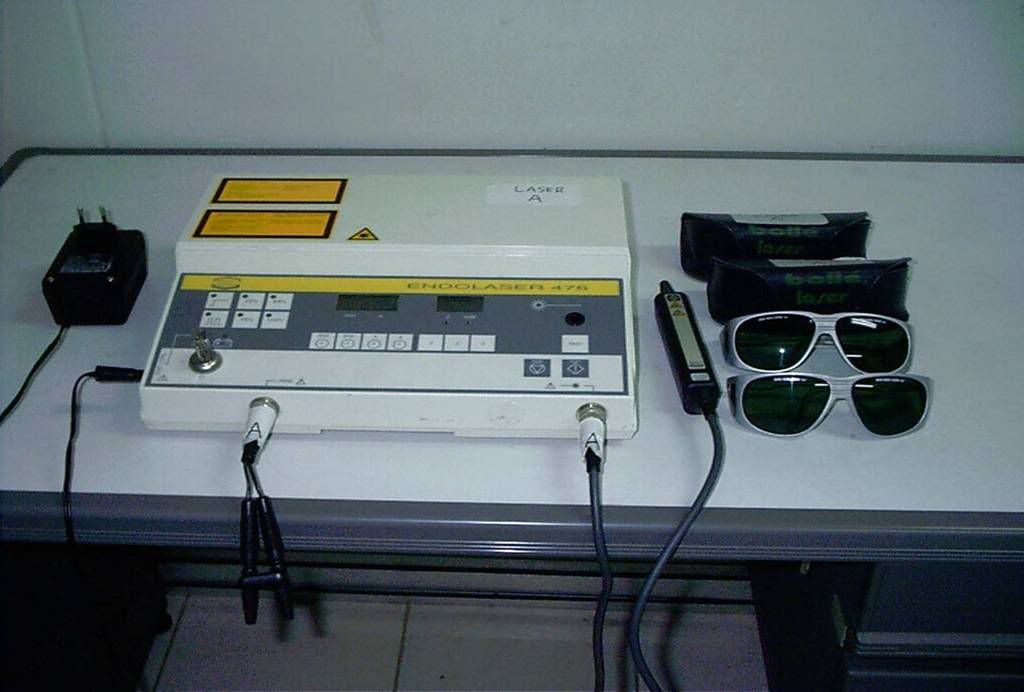
Endolaser 476(Enraf-Nonius)

Wavelength : 830 nm

Output : 30 mW

Dose : 30 J per treatment

Continuous wave

3 times per week for 3 weeks


DATA ANALYSIS

Data of patients’ background were analyzed by description and were presented in the form of frequency distribution.

Data of VAS and shoulder ROM before and after treatment were analyzed by t test in normal data distribution and were analyzed by Wilcoxon test when data distribution were abnormal.


Table 1.

Group distribution of frozen shoulders

by age


Age(year)

Total

Percentage

40 – 50

51 – 60

61 – 70

1

2

13

6,25

12,5

81,25


Table 2.

Group distribution of frozen shoulders by sex

Sex

Total

Percentarge

Male

Female

6

7

46,15

53,85


Table 3.
Group distribution of frozen shoulders

by education level

Education level

Total

Percentage

Elementary School

Junior High School

Senior High School

Nursing School

College

University

3

1

3

2

3

4

18,75

6,25

18,75

12,5

18,75

25

Table 4.
GROUP DISTRIBUTION OF

FROZEN SHOULDER BY PROFESSION

PROFESSION

TOTAL

PERCENTAGE

PRIVATE

HOUSEWIFE

RETIRED/JOBLESS

NURSE

TEACHER

4

6

4

1

1

25

37,5

25

6,25

6,25

Table 5.
GROUP DISTRIBUTION OF FROZEN SHOULDERS

ACCORDING TO DURATION OF SICKNESS

DURATION

TOTAL

PERCENTAGE

<>

³ 2 months

3

13

18,75

81,25

Table 6.
GROUP DISTRIBUTION OF

FROZEN SHOULDERS BY LOCATION

Location affected

Total

Percentage

Left shoulder

Right shoulder

9

7

56,25

43,75

Table7.
VAS BEFORE AND AFTER TREATMENT OF

FROZEN SHOULDER

VAS SCORE

MEAN± SD

n = 16

p

VAS (pre)

VAS (post)

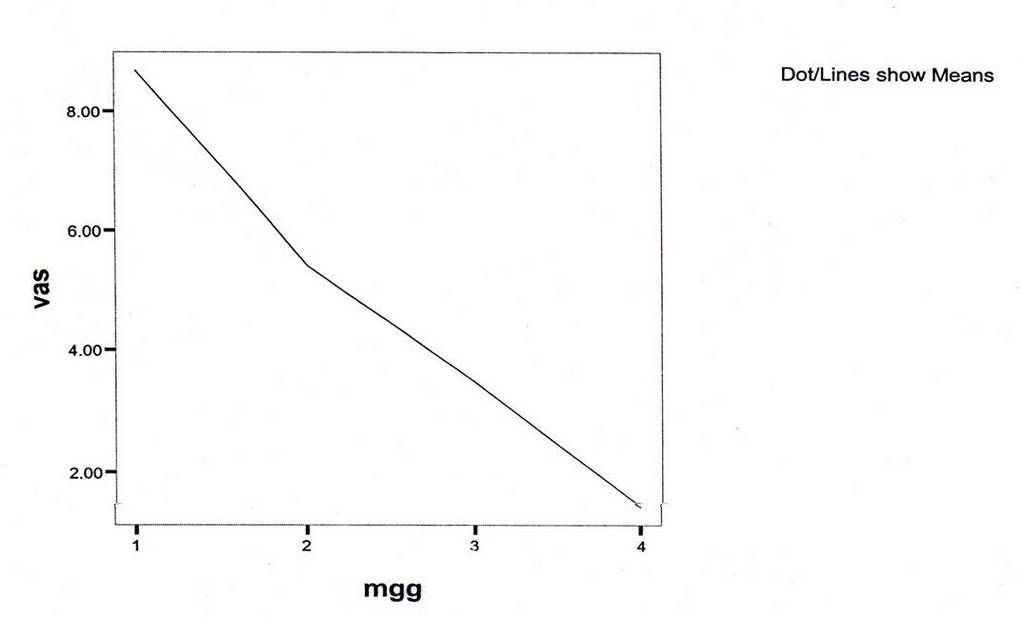
8,6875 ± 0,8237

1,4125 ± 0,9142


0,000


Graphic 1.

Graphic : Declining VAS score (shoulder joints)


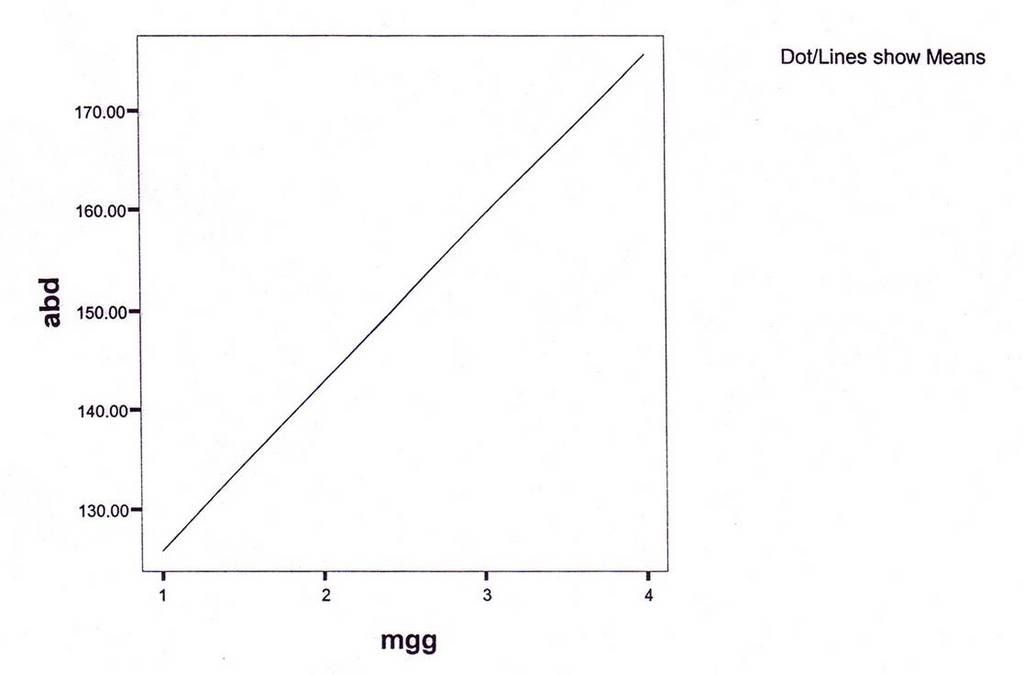
Graphic 2.

Graphic : Increasing joint movements (shoulder joints)


RESULTS AND DISCUSSION

Significant decrement of shoulder pain before and after treatments following 3 weeks of therapy

Significant increment of range of motion of shoulder articulations before and after treatments of low power laser therapy with shoulder exercises following 3 weeks of therapy

CONCLUSIONS

LOW POWER LASER THERAPY AND EXERCISES OF SHOULDER ARTICULATION IS EFFECTIVE AND EFFICIENT MODALITIES TO TREAT FROZEN SHOULDER


Friday, March 16, 2007

Rheumatoid Arthritis


Pingkan's story


Pingkan is in hospital now. She hospitalized due to pain on her both hands and both knees. The working diagnosis is suspect Rheumatoid Arthritis (RA) . The pain very annonying her. I promised to explain to her about RA. but I also ask her to write the history about her illness.
While waiting her story,below a highlight about RA

What is Rheumatoid arthritis (RA)

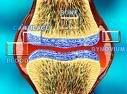
Rheumatoid arthritis is a chronic, inflammatory, multisystem, autoimmune disorder. It is commonly polyarticular, i.e. it affects many joints. The joints are usually affected initially asymmetrically and then in a symmetrical fashion as the disease progresses. The pain generally improves with use of the affected joints, and there is usually stiffness of all joints in the morning that lasts over 1 hour. The pain of rheumatoid arthritis is usually worse in the morning.

Dear Pingkan, how about your pain?

Deformities

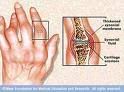
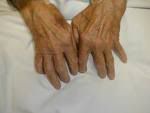
As the pathology progresses the inflammatory activity leads to erosion and destruction of the joint surface, which impairs their range of movement and leads to deformity. The fingers are typically deviated towards the little finger (ulnar deviation) and can assume unnatural shapes. Classical deformities in rheumatoid arthritis are the Boutonniere deformity (Hyperflexion at the proximal interphalangeal joint with hyperextension at the distal interphalangeal joint), swan neck deformity (Hyperextension at the proximal interphalangeal joint, hyperflexion at the distal interphalangeal joint). The thumb may develop a "Z-Thumb" deformity with fixed flexion and subluxation at the metacarpophalangeal joint, and hyperextension at the IP joint.


basic rehabilitation treatment principles
are:
1. relieve pain
2. prevent joint damage and eformities
3. maintain strength and function
4. educate the patient and family
5. help the patient adapt emotionally to life-style limitations
imposed by the diseases proses.

Lovely Pingkan. May be we should try to use Low Laser for you to relive pain.
Would you please click my blog about: Low Level laser in Rheumatoid Arthritis:
the paper just won the 3rd place free paper competition !

(Conclusion : Low level LASER therapy combine with isometric hand strengthening exercise can reduce pain and increase the MCP range of motions in patients with hand rheumatoid arthritis )


It is safe for you?

Phototherapy is FDA approved for a number of applications and has been deemed safe. It also requires relatively little time to perform. Established protocols and tissue dosages have been established that make clinical application relatively easy

Why you dear? Let's look the epidemiology

Epidemiology

The incidence of RA is in the region of 3 cases per 10,000 population per annum. Onset is uncommon under the age of 15 and from then on the incidence rises with age until the age of 80. The prevalence rate is 1%, with women affected three to five times as often as men. It is 4 times more common in smokers than non-smokers. Some Native American groups have higher prevalence rates (5-6%) and black persons from the Caribbean region have lower prevalence rates. First-degree relatives prevalence rate is 2-3% and disease concordance in monozygotic twins is approximately 15-20%


Saturday, March 10, 2007

Philosophy of Rehabilitation Medicine


World Health Organization (1980)


q Impairment : any loss or abnormality of psychological, physiological, or anatomical structure or function

q Disability : any restriction or lack resulting from an impairment of the ability to perform an activity in the manner or within the range considered normal for human being

q Handicap : a disadvantage for a given individual , resulting from an impairment or a disability, that limits or prevents the fulfillment of the role that is normal for that individual


Conventional Medical Model Versus Rehabilitation Model

The general orientation of the medical model is toward disease, while rehabilitation medicine is toward disability, or more broadly , illness.

Diseases is defined as the interaction of a pathologic process with individual molecules , cells, and organs. It is essentially a biological event.

Disability or illness, is essentially a human event. It represents the resulting interaction of a person with a disease.


Physician’s Role

In the medical model, the physician role tends to be active. It is a physician who does the examination, orders the tests, makes a diagnosis, abd prescribes appropriate medications. The physician role in rehabilitation model also encompasses these functions but extends to include helping the patient adjust to the disability and problem solving to minimize the functional loss from a long-term, chronic condition.

Patient’s Role

In the medical model, the patient’s role is often passive and uninformed , with diagnosis and therapeutic measures done or given to him. By contrast , in the rehabilitation model, the patient is encouraged to be an active, informed participant.