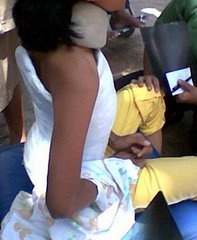
A lady, about 50 y o, midwife at a big hospital , came to me due to pain at her right shoulder. It was bicipitalis tendinitis. The regiment: ILIB plus scanner (20 minutes scan mode given as spot 40 minutes as moving light) . The pain gone after the 3rd visited.
Came again a week ago, after night duty. I asked her to take Ultrasound diagnostic for her right shoulder and I'm going to combine low laser with taping.
I'll report the results and upload the documentations.
Showing posts with label low level laser. Show all posts
Showing posts with label low level laser. Show all posts
Friday, October 3, 2008


Monday, September 22, 2008

Friday, August 22, 2008


Monday, June 30, 2008
Yusuf- chronic wound


Sunday, May 25, 2008
wound
A boy, 12 y o, wound at his back. The treatment still in progress


Tuesday, May, 27 - 2008
ILIB mode 0


 Friday, May, 30- 2008
ILIB mode1
 Saturday, May 31, 2008
using ILIB mode 1

June, 29, 2008

Saturday, May, 24- 2008
ILIB mode 7
ILIB mode 7

Sunday, may, 25- 2008
ILIB mode 7
ILIB mode 7


Monday, May 26- 2008
ILIB mode 0
ILIB mode 0


Tuesday, May, 27 - 2008
ILIB mode 0


Wednesday
ILIB mode 0
ILIB mode 0
 Friday, May, 30- 2008
ILIB mode1
 Saturday, May 31, 2008
using ILIB mode 1

June, 29, 2008

Friday, May 16, 2008
Mr Djoko- hearing loss


Mr Djoko, one of my patient, came to me 2 weeks ago. He suddenly loss his hearing at the left side. Laser given by ILIB and ear probe . After the first treatment, he felt “better”, no “full” sensation again on his lefl ear. Everyday laser for four times, and ones a week after the 4th , :
The audiogram after treatment : found normal
Regiment for Mr Djoko:
day 1: ILIB 30 mint; ear probe 30 min
day 2 : ILIB 40 min; ear probe 30 min
day 3 ILIB 50 min; ear probe 30 min
day 4 ILIB 60 min; ear probe 30 min
day 1: ILIB 30 mint; ear probe 30 min
day 2 : ILIB 40 min; ear probe 30 min
day 3 ILIB 50 min; ear probe 30 min
day 4 ILIB 60 min; ear probe 30 min
a week after: ILIB 60 min, ear probe 30 min
He already got stroke few years ago, his hearing loss could cause by ischemic. Lee and Baloh found that ten percent of patients with vertebrobasilar stroke had unilateral hearing loss, almost always with vertigo. Treatment with steroids has class I evidence for being a beneficial treatment--even if the cause turns out to be vascular. Usually tapering oral steroids are given, sometimes with pentoxifylline, and occassionally acyclovir or valacyclovir.
For Ms Djoko, the Laser combine with neurotopic agent
From jurnal:
The low level laser therapy of inner ear dysfunction has been made use of in Germany since the end of the eighties (for example by Dr. Uwe Witt, Hamburg and Dr. Lutz Wilden in Bad Fuessing) and is also to be found in quite a few other countries (Italy, France, Scandinavia, Switzerland, Hungary, Japan, Russia etc.). .
As the observation of healing processes has shown in the course of the years, even serious impairments such as the most excruciating cases of tinnitus, hearing loss, vertigo and Meniere's Disease can be considerably alleviated and even healed with the aid of modern Low Level Laser Therapy (LLLT).
How does LLLT work?
For a detailed discussion, see Dr. Lutz Wilden' article: Import of Radiation Phenomena of Electrons and Therapeutic Low-Level Laser in Regard to the Mitochondrial Energy Transfer, Journal of Clinical Laser Medicine & Surgery, Volume 16, Number 3, 1998, Mary Ann Liebert, Inc., Pp.159-165
Each cell contains a number of power plants, called mitochondria. The function of these power plants is to produce ATP, the form of energy which can be used by the cell to function properly.
The inner mitochondrial membrane is a large collector surface folded onto a small total volume. All nutritive molecules (fats, proteins and glucose) are oxidized within the cell to the last molecular nutritive component, that is, pyruvate. The pyruvate is then imported into the cellular power plant, where it disintegrates into carbon dioxide and water in the immediate proximity of the collector surface of the mitochondrion. The molecular bond energy thus released, which corresponds with visible, ultraviolet and infrared light as far as its wavelength and frequency is concerned, is utilized by the mitochondrion to produce the cellular fuel ATP.
The collector surface of our cellular power plant is enlarged by the mushroom-shaped protrusions of the inner mitochondrial membrane. The molecular bond energy of the pyruvate is released in the form of light energy. The antennae pigments are capable of absorbing this light energy and transmit it to our cellular power plant, which can now produce the cellular fuel ATP. The natural solar radiation also stimulates the antennae pigments of the mitochondrion to produce ATP.
Low level laser light is compressed light from the red and infrared spectrum of the electromagnetic radiation. It reaches the cellular power plants of low-lying cells as well and is absorbed by their collector surfaces as an additional source of energy. The cellular power plants can thus produce more ATP. The cellular energy is the fuel the inner ear cells strives after and needs. A sufficiently high supply of cellular energy enables our inner ear cell to work under optimum conditions and is the essential prerequisite to ensure a successful self-healing process.
Low level laser light increases the energy output in our cellular power plant.
Monday, April 21, 2008

Saturday, March 22, 2008
low level laser for plantar fasciitis

Usually the is 30 Joule/ treatment, using Diode
But 5 years ago, for one patient, 60 years old lady, near 90 Joule needed . Used simultaneusly with calcaneal pad,the pain gone till this days.
Friday, March 7, 2008
revitalitation- after radiation

Skin lesion, after 30 times adiation due to papliloma larynx
 A week after low level laser
Saturday, February 23, 2008

rehabilitation after achilles tendon repair
Mr A , 51 years old, executive .
Had his tendon repaired 3 months ago due to rupture of Achilles tendon, Mr Agus’ right foot was swollen. His right knee had “contraction” , because he always bend his knee, spam quadriceps. The laser (ILIB and scanner) was given for the relief of swelling and spasm, The major regiment : begin partial weight bearing for right foot, standing balance, walk “properly” with bilateral crutches. The 2nd day : reduced swelling, the 5th day : better standing balance , minimized spasm and he could manage his right knee. He went back to Badak - Bontang –
 February 13, 2008
 February 14 , 2008
February 15 , 2008 : began to be given 10 kg weight for the right foot
 February 17, 2008
 Walk easily
Saturday, December 29, 2007


Thursday, November 29, 2007
gouty arthritis

Mr Mansyur, After 2nd ILIB laser.
Yes. It was the first morning, he could down from his bed
(behind him).After almost a month lyed on bed due to severe
(left) knee pain
 This is picture of his left knee, bigger than his right
 side.


Monday, October 15, 2007
LOW LEVEL LASER FOR GOUTY ARTHRITIS

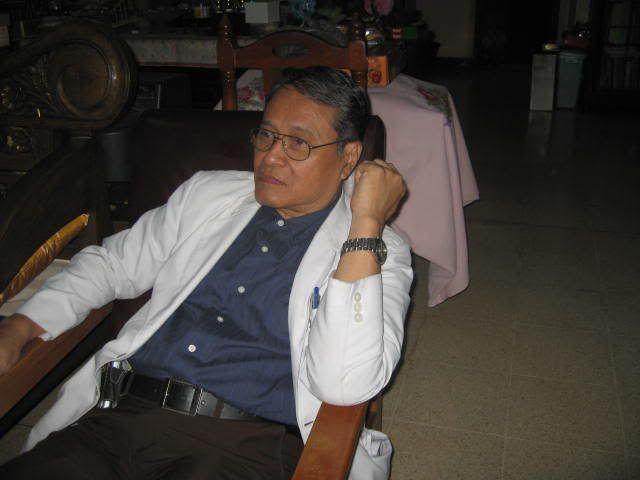
It is a story of my husband . He had a relapse of a gouty knee arthritis on October night, 10 th October 2007. A pain scale of 8 was noted on his left knee, and it made him aroused from his sleep at that night.
A laser therapy program was conducted using low energy diode laser for the pain.
At he following day he was able to drove to the mosque for Friday prayer and Iedl Fitri on 13 th October. Yet he took diclofenac simultaneously, but just for a single tablet.
The pain about 2 using scale for pain,
Here a copy from LIGHT SPEED
Gout & Laser Therapy
By Fred Kahn, MD, FRCS(C)
President Meditech International Inc.
Gout
Gout (also referred to as gouty arthritis) is a debilitating form of arthritis caused by the accumulation of uric acid crystals in the joints and tendons. It is an intensely painful disease that results from an increased uric acid concentration in the bloodstream. The most frequent location of symptoms is the 1st toe (75% of initial attacks), although it can also affect many other joints such as the ankle, knee, digits and spine.
Gout may be associated with renal disease, diabetes, obesity, leukemia and also the result of the use of diuretics.
Pathogenesis
Acute gout presents without warning. The exact cause of the disease is not known, although it is linked to a deficiency in purine metabolism. It can also be associated with minor trauma, overindulgence in purine-rich food, alcohol, surgery, fatigue, emotional and other stress. Purine is an organic compound that is common in the body and is metabolized into uric acid. Individuals suffering with gout usually have an increased concentration of uric acid in the blood, the result of increased production of uric acid and/or an impaired excretion thereof. This increased concentration of uric acid (hyperuricema) results in local deposits of monosodium urate (MSU) crystals in relatively avascular tissues (i.e. cartilage, tendons, ligaments, etc.) around the cooler distal peripheral joints (Figure 4). In severe long standing cases, this condition can also result in MSU crystals being deposited in larger central joints as well as also the kidneys (renal calculi). Uric acid is normally processed in the kidneys into a form of urate for excretion.
Stages
Gout can be subdivided into four distinct stages:
1. Asymptomatic
2. Acute
3. Intercritical
4. Chronic
In the first stage (asymptomatic), the uric acid levels in the blood increase, but there are no symptoms. The initial attack of gout marks the acute stage. These attacks generally resolve rapidly although severe attacks can last several days and can even extend several weeks.
Low Intensity Laser Therapy has been clinically demonstrated to shorten the duration of the initial outbreak in addition to relieving the pain associated with this stage. Following the initial attack, the patient enters a period of dormancy, known as the intercritical or symptom-free stage that may last for a long period of time. The majority of gout sufferers experience their second attack generally within 6 months to 2 years. In the chronic stage of the disease, attacks of gout become more frequent and polyarticular (affecting more than one joint). Large tophi (deposits of crystals) can be found deposited in many joints during this phase.
Signs and Symptoms
The onset of gout is generally confined to nocturnal pain in a single joint (monoarticular), although it can be associated with multiple joints. The pain becomes progressively more severe and at times can be excruciating. The symptoms often mimic those of acute infection with edema, elevated temperature and erythema. The soft tissues overlying the joint are usually extremely tender and in some instances even the presence of blankets touching the skin can be irritating. The overlying skin is tense, warm, shiny and red or purplish in colour. Fever, tachycardia, chills and malaise may also be present.
The secondary attacks usually affect only one joint and last only a few days, but subsequent attacks can affect several joints simultaneously or sequentially and persist for weeks if left untreated.
Diagnosis
Gout has such a distinct clinical signature that it can often be tentatively diagnosed by history and physical examination alone. Elevated serum urate (7mg/dL) supports the diagnosis but is not specific. This is due to the fact that 30% of the patients have a normal serum urate level at the time of their first attack. The definitive diagnosis of gout can be readily obtained from light microscopy of the joint fluid aspirated from the afflicted area. This will clearly demonstrate intracellular monosodium urate crystals.
Treatment
The first treatment administered should be directed to relieve pain. Conventionally this has consisted of the use of NSAID’s and analgesics to temporarily diminish pain sensation.
Low Intensity Laser Therapy (LILT) properly applied can significantly reduce the pain and swelling associated with acute outbreaks of gout immediately, with concomitant elimination of the requirement for pharmaceuticals. LILT acts rapidly to reduce the inflammation surrounding the joint capsule in addition to relieving the debilitating pain. At our clinics generally there is a total relief of pain following 1 to 3 treatments on sequential days. A recent publication on the use of laser therapy in treating the acute stage of gout demonstrated that “both laser therapy and diclofenac (NSAID) achieved rapid pain relief in patients with acute gouty arthritis, similar in efficacy. Laser therapy was more effective than diclofenac in patients with chronic pyrophosphate arthropathy and in patients with chronic apatite deposition disease”. The article supports that Low Intensity Laser Therapy should be selected as the treatment of choice in acute gout.
Following the reduction of these initial symptoms the conventional therapy is to administer colchicine which reduces the serum concentration of uric acid in the blood. As with most pharmaceuticals, colchicine produces undesirable side effects including GI tract symptoms. Avoiding purine rich foods such as meat, fish, dry beans, mushrooms, alcohol, in addition to consuming purine-neutralizing foods (i.e. fresh fruits and vegetables) could help reduce the concentration of uric acid. Even with a change in diet the success of this approach is limited in reducing the symptoms of gout. In addition to changes in diet, increasing the volume of liquids ingested, particularly water, aids in the body’s ability to excrete uric acid.
Recently Allopurinol has been developed as a long term treatment of gout. This treatment is useful in reducing the serum uric acid levels with concomitant reductions in the outbreaks of gout. Again there are obstacles with this approach as this treatment cannot be administered until after the attack has subsided. Other side effects include GI tract distress, hepatitis and a potentially harmful eczema. An additional negative aspect of this treatment is that it is a lifelong decision; ceasing treatment with Allopurinol causes an almost immediate relapse of gout due to the sudden rise in serum uric acid levels.
Recently, we had 2 complex cases of gout in rapid succession. Routinely, we treat 30-40 cases of gout per annum and in all cases we obtain rapid resolution of symptoms without early recurrence. The majority of patients on initial presentation have been on medications including Indomethacin, Colchicine, Allopurinol, etc. Most patients had continued to have persistent pain and presented in order to obtain more effective alternative therapy. Rapid resolution of pain and inflammation are infallible indicators of change in the affected joints. These two patients noted nearly 100% reduction in pain following their first treatment. Whereas this approach is highly effective, patients should also be cautioned to alter their dietary habits in order to maintain low uric acid levels. Our experience at Meditech indicates that LILT instituted at the onset of pain is the treatment of choice in both acute and chronic gout.
Sunday, October 14, 2007
Low Laser for Varicella in adult

This photo was taken from Intensive Care Unit. October 14, 2007
Lying in bed is my colleague, hospitalized since Friday, October 12, 2007 .
Symptoms:
He complained fever and body aches on Sunday , October 7, 2007.
On Wednesday, the rash appeared, He just noticed that his son got varicella about two weeks earlier.
Friday morning, his wife found he was delier. His wife brought him to the hospital. During first hour, the convulsion happened!!
We admitted him to the Intensive Care Unit,
Brain Scan: normal, electrolyte : normal
Consciousness status : somnolent
Convulsion still occur sometimes.
Regiment: medication for viral become the first line.
I have been using ILIB (Intravascular Laser Irradiation on
Blood)
It will be done 10 times, everyday for 10 days
Result:
After 1st administration, the convulsion diminished,
eye contact has become more adequate.
I will write reports on the progress.
The story:
At friday afternoon, I found cyanotic at all of his nails. He bound to the bed, because couldn't lying down quietly. So, I decided to give him ILIB with the dose for brain injured.
The laser (ILIB) began on Saturday morning. opening power for 50 %, administered for 1 hour. In the evening the nurse reported the the convulsion diminished.
Sunday morning , it was eye contact, but not adequatly. The second laser with the same dose. Nurse reported inthe evening, the fever just 38 degree.On monday morning contact is good response to questions.Also the same dose given. Evening report: good condition !! Alert !
The followings are some references on chickenpox in adults:
Facts About Chickenpox for Adults
Chickenpox, also known as varicella, is a very contagious disease caused by the varicella-zoster virus. It is spread easily through the air by infected people when they sneeze or cough. The disease also spreads through contact with an infected person's chickenpox blisters. Because chickenpox is very contagious, it is possible for people who have never had chickenpoxnor been vaccinated against it to become infected just by being in a room with someone who has the disease. However, transient exposure is not likely to result in infection.
Symptoms of chickenpox
Early symptoms may include body aches, fever, fatigue, irritability and sore throat. A rash then appears and develops into as many as 250-500 itchy blisters over the entire body, that usually last for 5-7 days and heal with scabs. The rash may even spread into the mouth or other internal parts of the body. The illness is usually not severe, but the risk of hospitalization and
death is increased among adolescents and adults.
Symptoms appear between 10 and 21 days after exposure to the varicellazoster
virus. Persons who were vaccinated against chickenpox may sometimes develop chickenpox disease but the presentation is usually mild, with approximately 50 or fewer red bumps that rarely evolve to blisters.
Here a copy about laser for brain infarction:
The study of low level laser irradiation therapy on brain infarction with SPECT
<<中国临床神经科学 >>2000年z1期Xiao Xuechang , Jia Shaowei , Zleng Xiyuan
Objective:
Effect of rCBF and brain function on ILIB treating brain infarction will be investigated by SPECT brain perfusion imaging. Method: 3 1 patients with brain infarction, 17 patients were treated by ILIB on standard pharmaceutial treatment. SPECT brain perfusion imaging was performed before and after ILIB therapy with comparison of oneself. They were quantified with BFCR%model effect during ILIB in 14 patients were observed. Result: ILIB 30 rnme SPECT showed the improvement of rCBF and cerebral function in 14 patients with brain infarction, and in 17 patients locus were prominence than mirror regions att er ILIB therapy, both are higher singnitficant difference ( t=4.4052, P<0.0001 ), but mirror regions were not singnificant difference before and after ILIB (t=1.6995, P>0.05). BFCR%quantitative results of locus were higher mirror regions, and higher singnificant difference (t=4.5278 p<0.0001 )。 Conclusion: ILIB can improve the rCBF and cerebral function of patients with brain infarction, and provoke function of brain cells. Some new evidence was provided for ILIB treatment of cerebral ischemia
Friday, September 14, 2007
neck pain

Low Level Laser Therapy In The Management Of Chronic Myofascial Pain In The Neck
A Gur, AJ Sarac, R Cevik, O Altindag, and S Sarac
Lasers Surg Med, January 1, 2004; 35(3): 229.
Physical Medicine and Rehabilitation, School of Medicine, Dicle University, Diyarbakir, Turkey.
BACKGROUND AND OBJECTIVES: A prospective, double-blind, randomized, and controlled trial was conducted in patients with chronic myofascial pain syndrome (MPS) in the neck to evaluate the effects of infrared low level 904 nm Gallium-Arsenide (Ga-As) laser therapy (LLLT) on clinical and quality of life (QoL).
STUDY DESIGN/PATIENTS AND METHODS: The study group consisted of 60 MPS patients. Patients were randomly assigned to two treatment groups: Group I (actual laser; 30 patients) and Group II (placebo laser; 30 patients). LLLT continued daily for 2 weeks except weekends. Follow-up measures were evaluated at baseline, 2, 3, and 12 weeks. All patients were evaluated with respect to pain at rest, pain at movement, number of trigger points (TP), the Neck Pain and Disability Visual Analog Scale (NPAD), Beck depression Inventory (BDI), and the Nottingham Health Profile (NHP). RESULTS: In active laser group, statistically significant improvements were detected in all outcome measures compared with baseline (P <>
CONCLUSION: This study revealed that short-period application of LLLT is effective in pain relief and in the improvement of functional ability and QoL in patients with MPS. Lasers Surg. Med. 35:229-235, 2004.
Copyright 2004 Wiley-Liss, Inc.
Wednesday, August 8, 2007
Low level laser for vertigo and snoring
I had a patient, came due to her vertigo. I gave 10 times low level laser. It was amazing ! Her balance improved, as well as her hearing loss. Diabetic is her underlying disease .
A man 54 y.o came due to hearing loss. his regiment didn't finish yet, but the good point: his wife told us: He is not snoring again !
Visit again , I'l report those two cases and update Henny (dysphoni).
Sunday, July 29, 2007
Low level Laser for Dysphoni
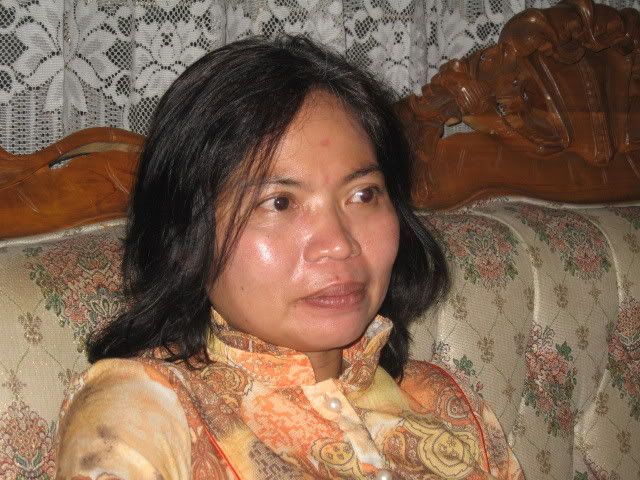
Mrs Ani, discharge from a hospital in Bogor following typhoid fever, hospitalized again due to aphonia.
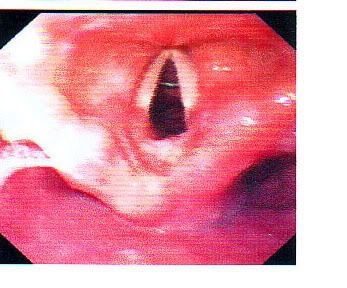
Endoscopy of the larynx showed normal anatomy of the vocal cord , except aeshenia of both vocal cords.
ILIB conducted for three times. Immediatelly after the first laser irradiation, she could utter a sound. She spoke after the 2nd administered, and at the third she spoke normally !!!
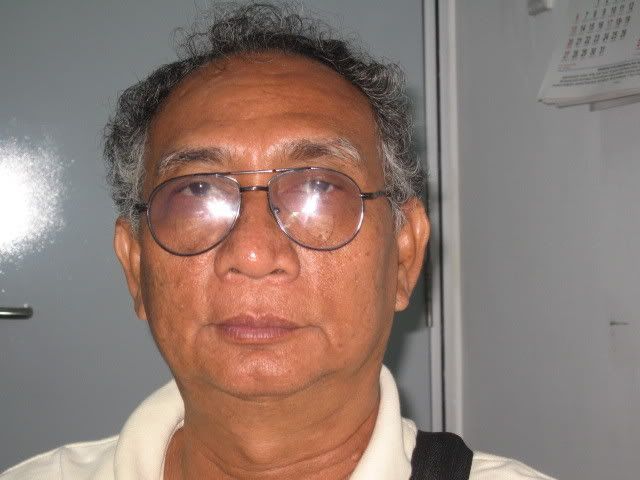
This gentleman, visit ENT doctor with dysphoni. Laser , trancutaneus approach given 10 times.
He reported , that he easily climb the 2 stories stair without cought his breath. He felt more fit.
He reported , that he easily climb the 2 stories stair without cought his breath. He felt more fit.
He went back to Bangka , happily!!
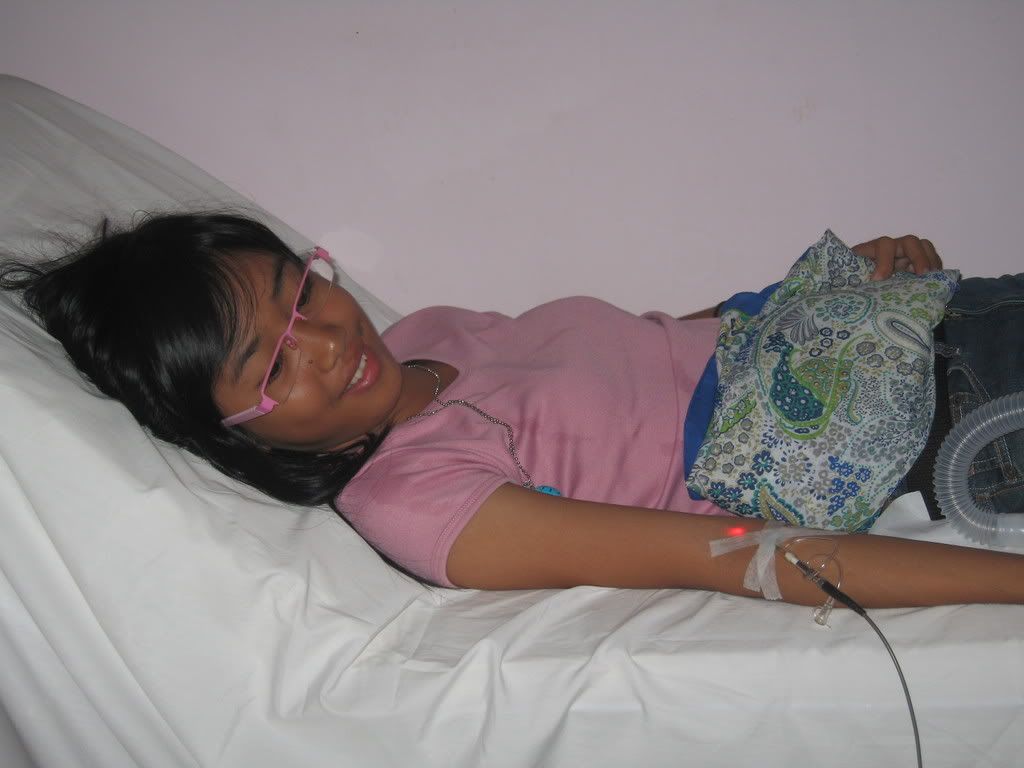
Now, we try to help Henny. A girl from Serang , 19th years old. Dysphoni since two years ago.
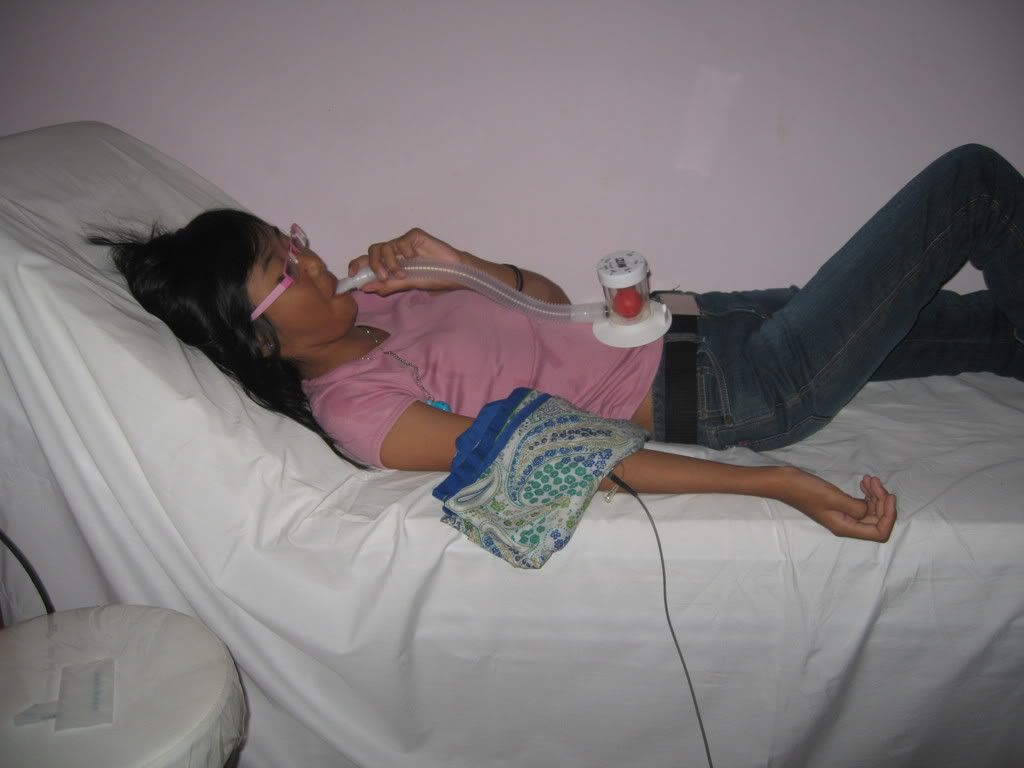 I asked her to enhance her lung capacity, using incentive spirometry.
ILIB will be given 10 times.
I will report the result
Now, we try to help Henny. A girl from Serang , 19th years old. Dysphoni since two years ago.
I asked her to enhance her lung capacity, using incentive spirometry.ILIB will be given 10 times.
I will report the result
Subscribe to:
Comments (Atom)