Tuesday, April 17, 2007

Low Level Laser in Herpetic Neuralgia

Case report :

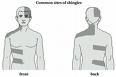
A year ago, Mr Djoko, visited my office due to herpetic neuralgia. Sent by prpfesor Adhi Juanda, dermato-venerologyst,. The vesicles already diminished, but his visual analoge scale (v a s) for pain , above 7. Still some hyperpigmentations (spots) area left chest, intercostals space 3,4 , and 5 betwenn sternum and axilla anterior line.

I try to blok the nerve, . two centimeter to the left from body of the spine , intercostals 1,2, 3 4 and 5; 5 poiints, 5 Joule per point . same dose at posterior line axillary, and area of spots 3 points, 5 joule every point. The total dose was: 65 Joule. Suddenly after treatment, the vas decreased become 3. (Diode laser 810 nm 50 mW)
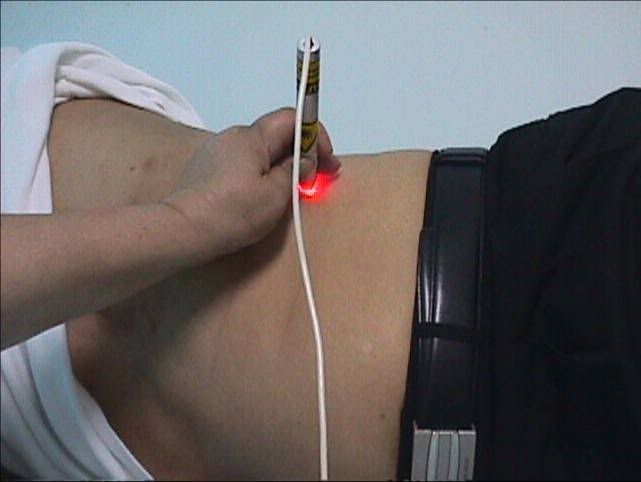
The pain disappear after 10 treatment (everyday , axept Sunday), but after a week, he felt discomfort again with vas between 3 and 4..

Almost 1 year he come ones a week, with pain vas between 1 - 2.. I give trancutaneus ( half hour), and probe at the points he feel pain, ( 10 minutes). No pain at the end of the the treatment. (Diode 650 nm; transcutaneus 50 mW; probe 50 mW)
Two months a go, he retired from his office , and begin his own business. He feel more comfort, and the pain no annoying anymore, He still visit my office ones a month, just to make sure no pain again.

Discussion:

I used the laser to manage the pain by blocking the nerve. It is not usual for herpetic neuralgia. According to Kert and Rose, they suggest treatment at the vesicle.

Also the dose, rather higher than guidance, they recommend 1 – 2 Joules per point, with total about 15 – 20 Joules.

Is there any connection between the pain and emotional problem ???

Drugs :

Ubi quinon given a long with laser. Ubi quinon works at mitochondria, as well as low laser. Methycobalamin, 500 mg, twice daily. At the first month, drugs for pain also administered.. NSAID, ones a day during first month, after that, he drink, just if the pain going increase more than vas 2.

Here some abstracts :

DOUBLE BLIND CROSSOVER TRIAL OF LOW LEVEL LASER THERAPY (LLLT) IN THE TREATMENT OF POST HERPETIC NEURALGIA

Kevin C Moore MB ChB FRCA Naru Hira. Parswanath Kramer, Copparam Jayakumar & Toshio Ohshiro

Department of Anaesthesia, The Royal Oldham Hospital,

Post herpetic neuralgia can be an extremely painful condition which in many cases proves resistant lo all the accepted forms of treatment. It is frequently most severe in the elderly and may persist for years with no predictable course. This trial was designed as a double blind assessment of the efficacy of low level laser therapy (LLLT) in the relief of the pain of post herpetic neuralgia with patients acting as their own controls. Admission to the trial was limited to patients with established post herpetic neuralgia of at least six months duration and who had shown little or no response to conventional methods of treatment. Measurements of pain intensity and distribution were noted over a period of eight treatments in two groups of patients each of which received four consecutive laser treatments. The results demonstrate a significant reduction in the pain intensity and distribution following a course of low level laser therapy.

Laser Therapy. 1988; 1: 7.

EFFICACY OF LOW REACTIVE-LEVEL LASER THERAPY (LLLT) FOR PAIN ATTENUATION OF POSTHERPETIC NEURALGIA

Osamu Kemmotsu, Kenichi Sato, Hitoshi Furumido, Koji Harada, Chizuko Takigawa, Sigeo Kaseno, Sho Yokota, Yukari Hanaoka and Takeyasu Yamamura

Department of Anaesthesiology, Hokkaido University School of Medicine, N-15, W-7, Kita-ku, Sapporo 060, Japan

The efficacy of low reactive-level laser therapy (LLLT) for pain attenuation in patients with postherpetic neuralgia (PHN) was evaluated in 63 patients (25 males, 38 females with an average age of 69 years) managed at our pain clinic over the past 4 years. A double blind assessment of LLLT was also performed in 12 PHN patients. The LLLT system is a gallium aluminium arsenide (GaAlAs) diode laser (830 nm, 60 mW continuous wave) Pain scores (PS) were obtained using a linear analog scale (0 to 10) before and after LLLT. The immediate effect after the initial LLLT was very good (PS: 0-3) in 26, and good (PS: 7-4) in 30 patients. The long-term effect at the end of LLLT (the average number of treatments 36 +/- 12) resulted in no pain (PS: 0) in 12 patients and slight pain (PS: 1-4) in 46 patients. No complications attributable to LLLT occurred. Although a placebo effect was observed, decreases in pain scores and increases of the body surface temperature by LLLT were significantly greater than those that occurred with the placebo treatment. Our results indicate that LLLT is a useful modality for pain attenuation in PHN patients and because LLLT is a non invasive, painless and safe method of therapy, it is well acceptable by patients.

0898-5901/91/020071-05$05.00 Ì 1991 by John Wiley & Sons, Ltd.


HERPES ZOSTER (Shingles)

WHAT IS SHINGLES?

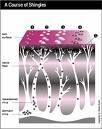
Shingles is a very painful disease caused by the same herpes virus that causes chicken pox (varicella zoster virus). Like other herpes viruses, the varicella-zoster virus has an initial infectious stage, (chicken pox) followed by a dormant stage. Then, with no warning, the virus becomes active again. About 20% of people who have had chickenpox will eventually develop shingles.

This reactivation of the virus is most likely to occur in people with a weakened immune system. This includes people with HIV disease, and anyone over 50 years old.

Herpes zoster lives in nerve tissue. Outbreaks of shingles start with itching, numbness, tingling or severe pain in a belt like pattern on the chest, back, or around the nose and eyes. In rare cases, herpes can infect the facial or eye nerves. This can cause outbreaks around the mouth, on the face, neck, and scalp, in and around the ear, or at the tip of the nose.

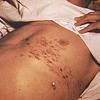
Shingles outbreaks are almost always on just one side of the body. Within a few days, a rash appears on the skin area related to the inflamed nerve. Small blisters form and fill with fluid. Later they break open and develop crusty scabs.

If the blisters are scratched, someone with shingles might develop a skin infection. This could require treatment with antibiotics and might cause scars.

In most cases, the rash goes away within a few weeks, but in some cases, severe pain can last for months or even years. This condition is called "post herpetic neuralgia."


SHINGLES AND HIV

Shingles is not one of the infections that leads to a diagnosis of AIDS.

A recent study of people with HIV found the highest rates of shingles in:

  • gay or bisexual men
  • those younger than age 29
  • people with less than 500 T-cells
  • whites rather than blacks or Hispanics

Shingles can occur in people with HIV shortly after they start taking strong antiviral medications. These cases of shingles are believed to be a sign of a recovering immune system.

HOW IS SHINGLES TRANSMITTED?

Shingles can only occur after someone has had chickenpox. If someone who has already had chickenpox comes into contact with the fluid from shingles blisters, they will not "catch" shingles. However, people who have not had chickenpox could become infected with herpes zoster and develop chickenpox. They should avoid contact with the shingles rash or with any materials that may have touched the shingles rash or blisters.


HOW IS SHINGLES TREATED?

Several types of drugs are used to treat shingles. They include anti-herpes drugs, and several types treatments for pain.

Anti-herpes drugs: The standard treatment for shingles is the drug acyclovir, which can be given orally (in pill form) or intravenously in more severe cases.

Recently, two new drugs have been approved for the treatment of shingles: famciclovir and valacyclovir. Both famciclovir and valacyclovir are taken three times each day, compared to five times for acyclovir. All of these drugs work best when they are started within the first three days after the shingles pain begins.

Nerve blockers: Doctors often prescribe various pain medications for people with shingles. Because the pain of shingles can be so intense, researchers have looked for other ways to block the pain.

Injections of anesthetic drugs and/or steroids are being studied as nerve blockers. These can be injected either into peripheral nerves, or into the spinal column (central nervous system.)

Skin Treatments: Several creams, gels and sprays are being studied. These provide temporary relief from pain. Capsaicin, the chemical that makes chili peppers hot, has shown good preliminary results. In addition, in 1999 the FDA approved a patch form of the anesthetic lidocaine. The patch, called Lidoderm, provides pain relief for some people with shingles. Because it is applied to the skin, it has less risk of side effects than pain medications taken in pill form. For more information, see the Endo Laboratories web site at http://www.lidoderm.com/

Other Pain Medications: A new drug, pregabalin, was approved in late 2004 but is not yet available. Some drugs normally used to treat depression, epilepsy, or severe pain are sometimes used for the pain of shingles. These can have a variety of side effects. Nortriptyline is the antidepressant most frequently used for shingles pain.

CAN SHINGLES BE PREVENTED?

Currently, there is no way to predict an outbreak of shingles, and there is no medication approved to prevent it.

However, researchers have shown that giving older people a stronger form of the chicken pox vaccine used for children can boost the type of immunity believed necessary to hold the virus in check. The researchers hope to show that this increased immunity will result in a lower risk of shingles in later life. Merck is developing a shingles vaccine. In a large clinical trial, it reduced shingles illness by about 60%. However, it was only tested in adults over age 60. People wih weakened immune systems were excluded so its value for people with HIV is unknown.


Wednesday, April 11, 2007

Low Level Laser for Sinusitis


Mrs Kho Tjoe , 91 years old.

Came to me for her sinusitis. She suffered chronic cough, already went to pulmonologyst. The lung is clear now , and her doctor recommendation to me because her sinusitis is the main problem (postural nasal drips).

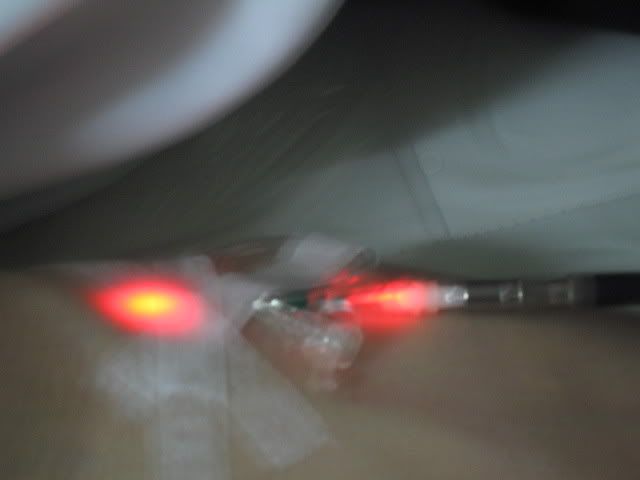
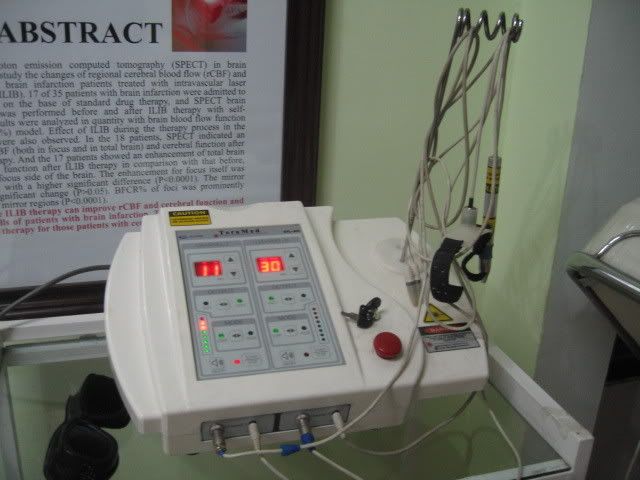
the regiment I give was : 3 times ( every day) : ILIB : 25 % opening
Nose probe : 10 mW ; pulse
Both : for 60 minutes


Results:


Cough increase after 1st treatment, I already told her it could
happened . The laser works for the inflammation, and the fluid from the
sinus easy to drainage. That’s the purpose laser given for sinusitis.
After 2nd visited : the cough decrease, more easy to breath.
3rd day: no cough


Notes:
She felt gastric problem. It is very rare. Please be carefully to use laser, although the lower power one. The gastric problem might an unintended side effect. I found two patients similarly during my 10 years experiences.


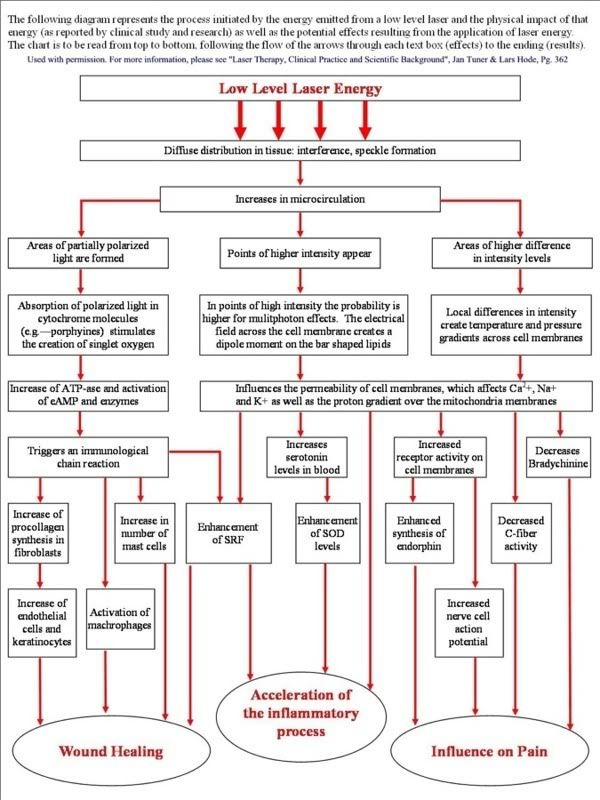
LASER DIAGRAM


Saturday, April 7, 2007

Low Level Laser in Inner Ear disease


From my office:

My other hearing impairment case:

A young man , 29 years old, suffered from hearing impairment

Low level laser administered for 10 times, used:


ILIB (Intravascular Laser Irradiation on Blood) and

Ear probe –pulses

Length of time : 60 minutes

Results:

Using audiometry

right ear : increase hearing level, 2.5 db in average. Left ear 11.25 db

Tinitus decrease, cephalgia : no more


Discussion :

This young man had no balance problem. he could came by himself to my clinic, so the program : every day for 10 times.
LLLT works for hearing problem, although with tinnitus.
Is everyday and once a week have the same result?
I need more experiences, and I will share with you.
But the key :
high dose

Inner ear diseases & the inner ear

(Dr.med. Lutz Wilden)

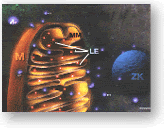
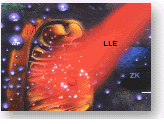
The inner mitochondrial membrane mm is a large collector surface folded onto a small total volume. All nutritive molecules (fats, proteins and glucose) are oxidized within the cell to the last molecular nutritive component, that is, pyruvate. The pyruvate is then imported into the cellular power plant, where it disintegrates into carbon dioxide and water in the immediate proximity of the collector surface of the mitochondrion. The molecular bond energy thus released, which corresponds with visible, ultraviolet and infrared light as far as its wavelength and frequency is concerned, is utilized by the mitochondrion to produce the cellular fuel ATP.

The collector surface of our cellular power plant is enlarged by the mushroom-shaped protrusions of the inner mitochondrial membrane mm. The molecular bond energy mb of the pyruvate is released in the form of light energy le.

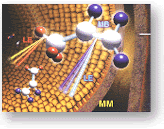
The antennae pigments are capable of absorbing this light energy le and transmit it to our cellular power plant, which can now produce the cellular fuel ATP. The natural solar radiation also stimulates the antennae pigments of the mitochondrion to produce ATP.

Low level laser light lll is compressed light from the red spectrum of the visible part of electro-magnetic radiation (= light). It reaches the cellular power plants of low-lying cells as well and is absorbed by their collector surfaces as an additional source of energy. The cellular power plants can thus produce more ATP. The cellular energy is the fuel the inner ear cells strives after and needs. A sufficiently high supply of cellular energy enables our inner ear cell to work under optimum conditions and is the essential prerequisite to ensure a successful self-healing process.


Saturday, March 31, 2007

Low Level Laser in Hearing Impairment


From my clinic:

Mrs Mulyani visited my clinic, with her husband, who sufferred hearing difficulty.


Her husband, 39 years old, conducted right ear mastoidectomy on 2003 . Three months ago, left ear worsened. They brought recommendation from an ENT specialist.

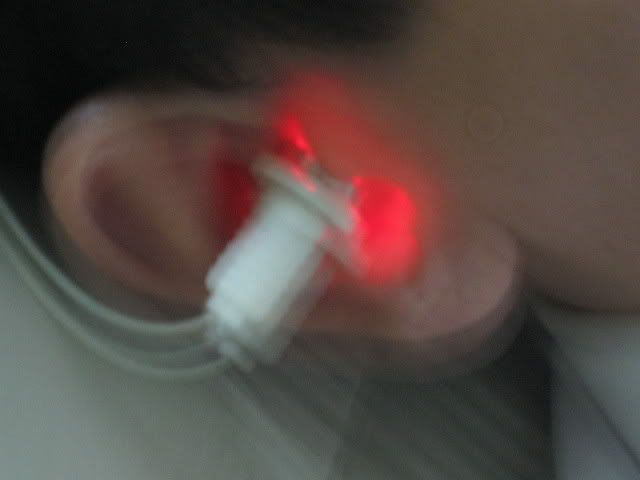
He complaint headache , noisy both ear, poor balance while walking. Low power laser given by ILIB and ear approach, ones a week, for 10 times. ILIB with opening 50 %, for 1 hour, and ear with 650 nm Low laser , 10 mW, 1 hour, pulse, for both ear. Probe approach given ones, at 9th visit, for neck spasm.


After 4th visite , could hear his son crying and adzan from mosque. .

After 5th, pain killer minimize , muscle relaxant stop .

After 6 visite, could speak with normal pitch, balance going better. No headache anymore.

After 10th: No attandane while walking, no drugs for pain, ear noise very
rare,almost disappear.

Program: going to administer 10 times again, ILIB ,and ear.

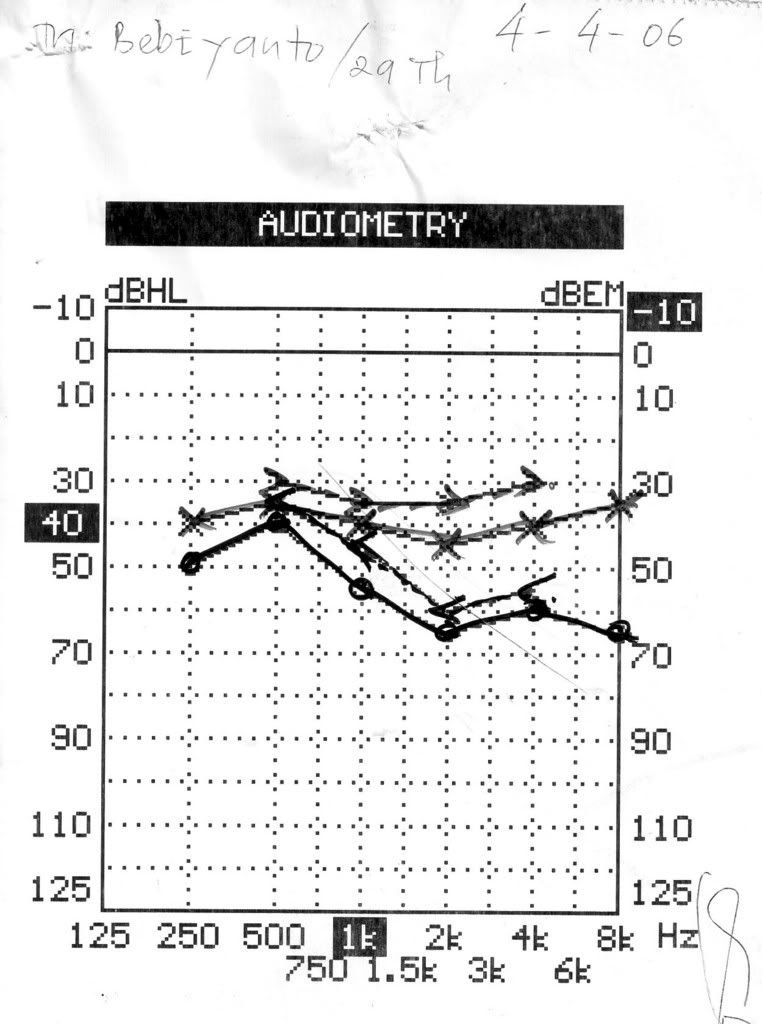
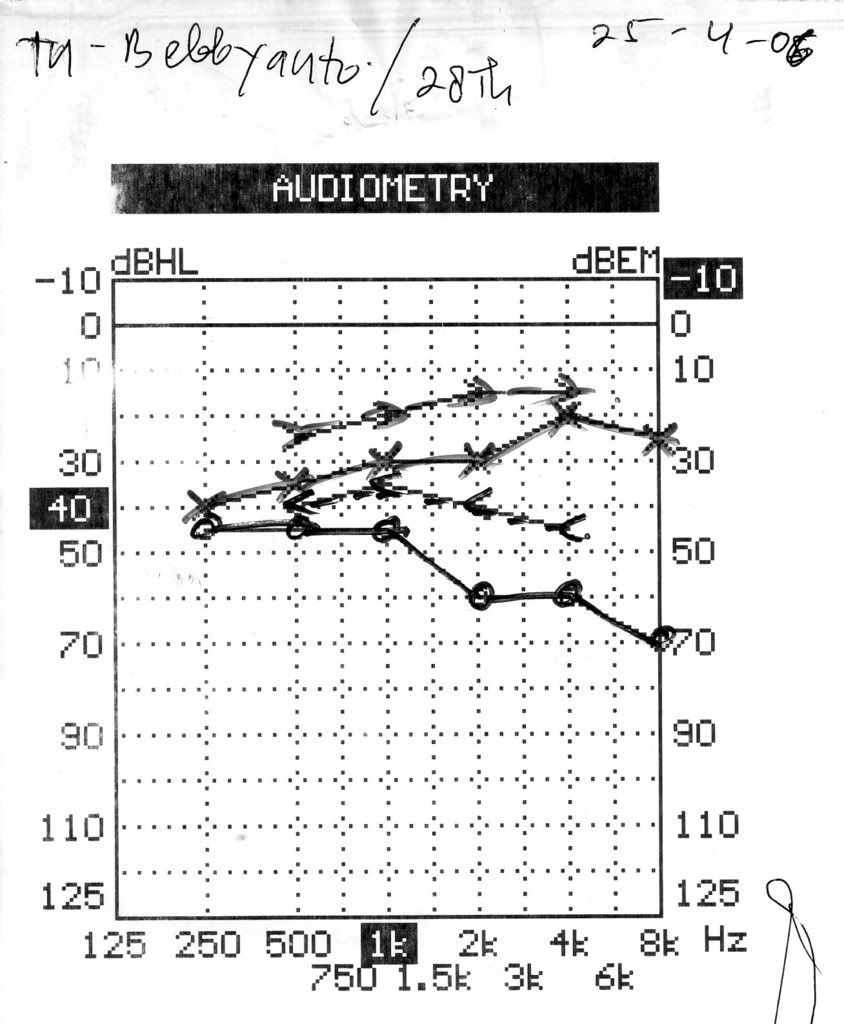
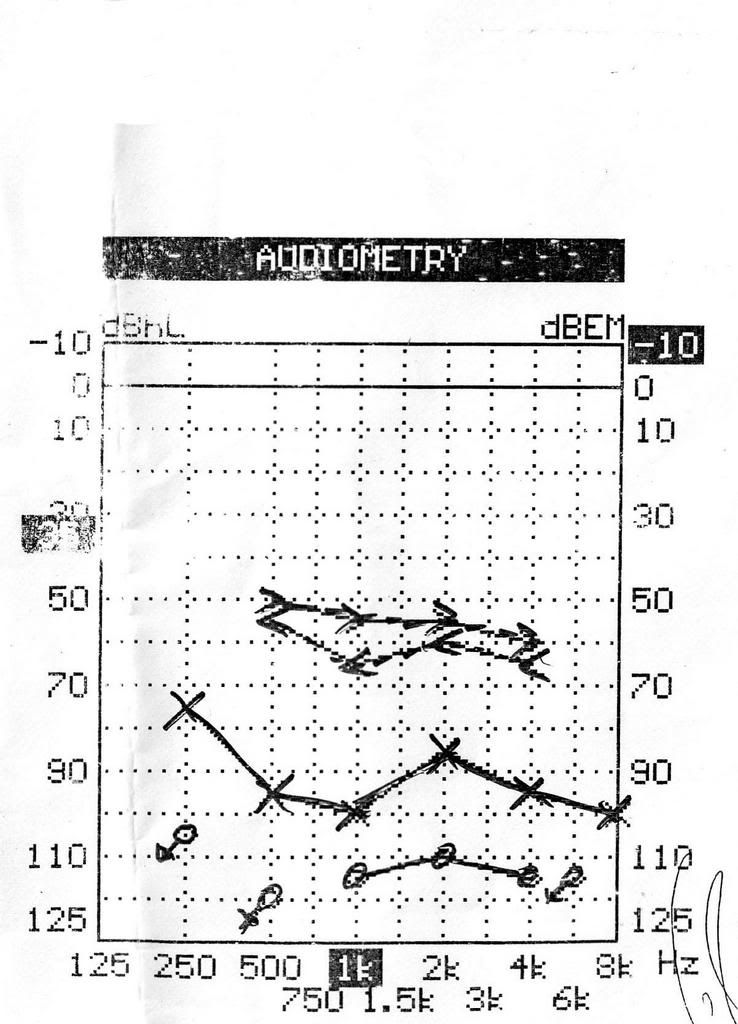
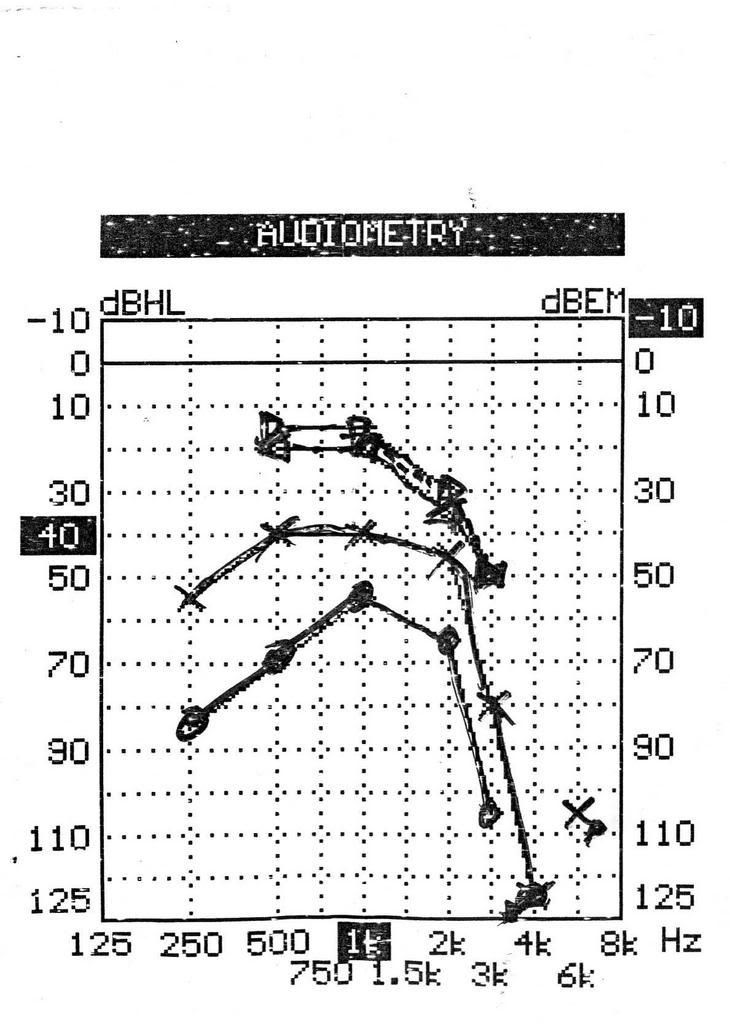
Audimetry: going better compare before LLLT.

(
Before 5 January 2007 - left diagram, After, 20 March 2007 ; right diagram)

Left : April 4, 2006 ; Right : April, 25, 2006

riht ear: increas 39 dB[ left ear increase : 19 dB


Discussion:

Balance maintance by hearing, visual , and proprioceptive. No doubt he complaint poor balance while walking. To maintain balance, he try to stabilize the neck, so muscles of the neck became stiff.

Balance , and neck muscle pain became better as well as the hearing.

I surprised, he answered my call by cell phone, after 14th therapy.

no pain killer , and muscle relaxant anymore. Tinnitus, gone.

Some journals said , LLLT not work for tinnitus.

May be the dose is to small as well as my experience before I use ILIB , and ear probe.


He is going to work again


From journals:

The low level laser therapy of inner ear diseases has been made use of in Germany since the end of the eighties (for example by Dr. Uwe Witt, Hamburg) and is also to be found in quite a few other countries (Italy, France, Scandinavia, Switzerland, Hungary, the United States of America, Russia etc.).

Since 1991, about 800 inner ear patients have been treated with low level laser light under the medical and scientifical supervision of me. The therapy results have been (and still are) continuously documented and analyzed

How does LLLT work?

Each cell contains a number of power plants, called mitochondria. The function of these power plants is to produce ATP, the form of energy which can be used by the cell to function properly.

The inner mitochondrial membrane is a large collector surface folded onto a small total volume. All nutritive molecules (fats, proteins and glucose) are oxidized within the cell to the last molecular nutritive component, that is, pyruvate. The pyruvate is then imported into the cellular power plant, where it disintegrates into carbon dioxide and water in the immediate proximity of the collector surface of the mitochondrion. The molecular bond energy thus released, which corresponds with visible, ultraviolet and infrared light as far as its wavelength and frequency is concerned, is utilized by the mitochondrion to produce the cellular fuel ATP.

The collector surface of our cellular power plant is enlarged by the mushroom-shaped protrusions of the inner mitochondrial membrane. The molecular bond energy of the pyruvate is released in the form of light energy. The antennae pigments are capable of absorbing this light energy and transmit it to our cellular power plant, which can now produce the cellular fuel ATP. The natural solar radiation also stimulates the antennae pigments of the mitochondrion to produce ATP.

The cellular power plants can thus produce more ATP. The cellular energy is the fuel the inner ear cells strives after and needs. A sufficiently high supply of cellular energy enables our inner ear cell to work under optimum conditions and is the essential prerequisite to ensure a successful self-healing process.

Low level laser light increases the energy output in our cellular power plant.

(For a detailed discussion, see article: Import of Radiation Phenomena of Electrons and Therapeutic Low-Level Laser in Regard to the Mitochondrial Energy Transfer, Journal of Clinical Laser Medicine & Surgery, Volume 16, Number 3, 1998, Mary Ann Liebert, Inc., Pp.159-165 )

Balance:

Is it possible to help the organ of balance with the high dosage low level lasertherapy by Dr. Wilden¨, specialist of Morbus Menière treatment?
Yes. Vertigo, Morbus Menière and the often in the same time existing sensation of pressure in or surround the ear can be treated very well with the high dosage low level lasertherapy by Dr. Wilden¨, specialist of Morbus Menière treatment.
* from "Das Stato-Akustische Organ" / Reiss-Walkowiak-Zenner-Plinkert-Lehnhardt