Saturday, May 5, 2007

De Quervein’s Diseases.

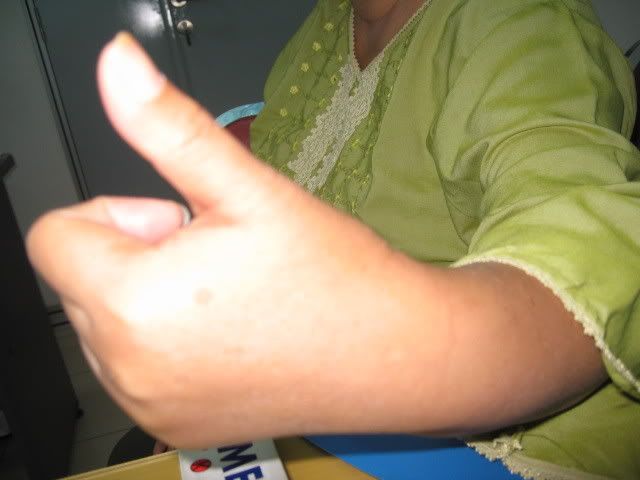
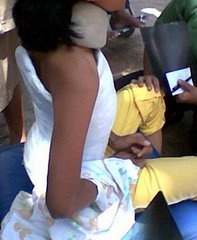
Mrs Hizkiah, a beautiful nurse, funny, always smile.

She fells pain, aggravated by movement on the wrist and thumb. Dear Hiskiah, it is call De Quervein’s Diseases. Characteristic symptoms can be reproduced by flexing the thumb and cupping it under the fingers, than flexing the wrist in an ulnar direction which streches the thumb tendons. Lovely Hizkiah, that is the reasoning, why your pain exaggerated after your therapist asked you to made a fist, forcing flex the thumb.

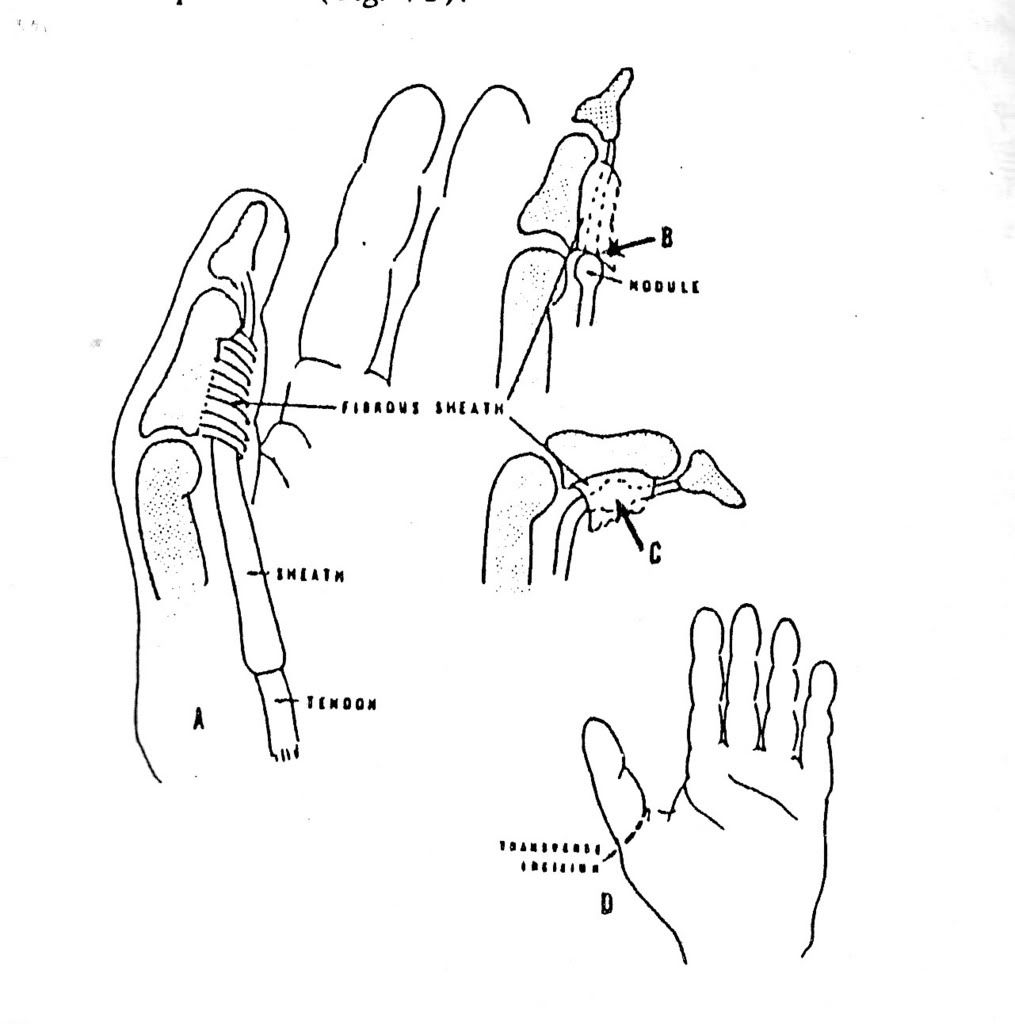
Pity Hizkiah, you also has another problem ., trigger thumb. In this condition your thumb snaps as it flexes and may become locked in flexion or in extension. He didn’t want to harm you, just didn’t knoe that you have another problem.

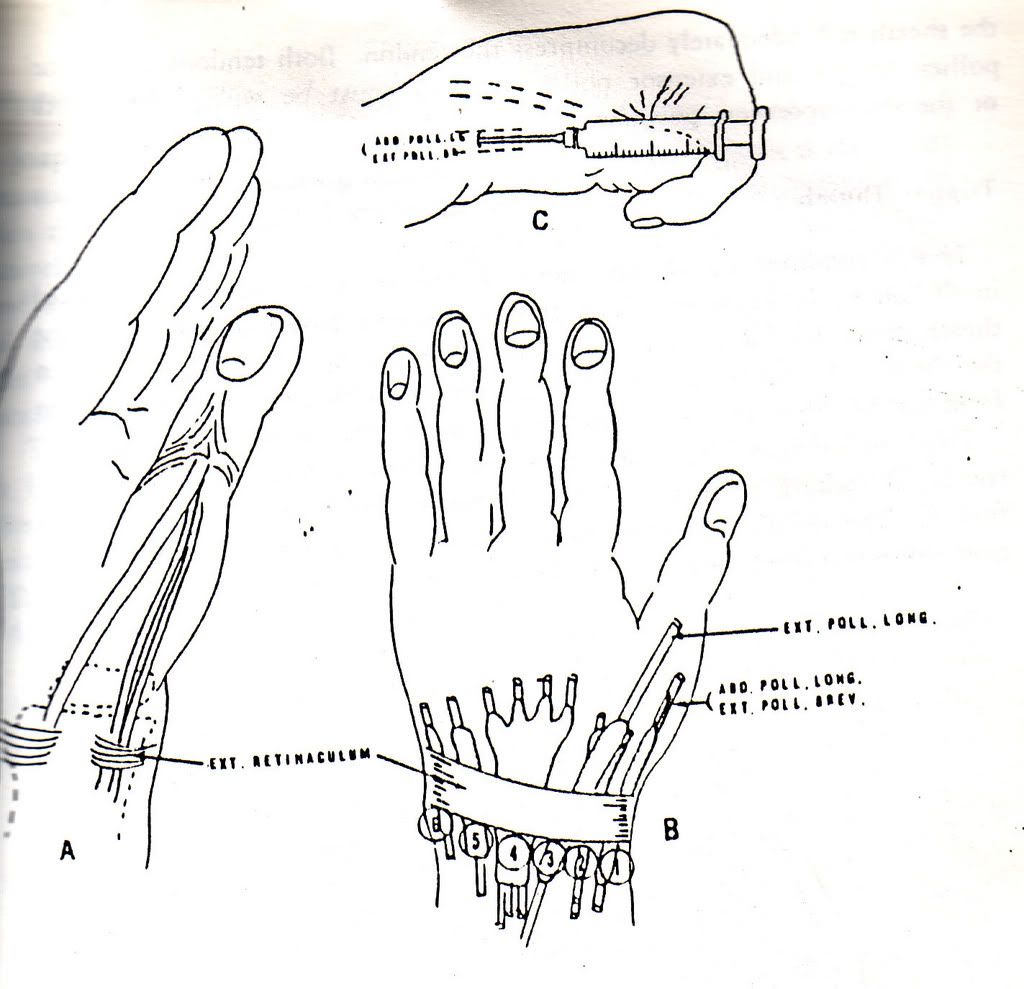
The patology De Quervein’s Diseases is an increased vascularity of the outer sheath that, coupled with edema, thickens the sheath and constricts the enclosed tendon. Treatment requires immobilization with injections of cortisone into the sheath.

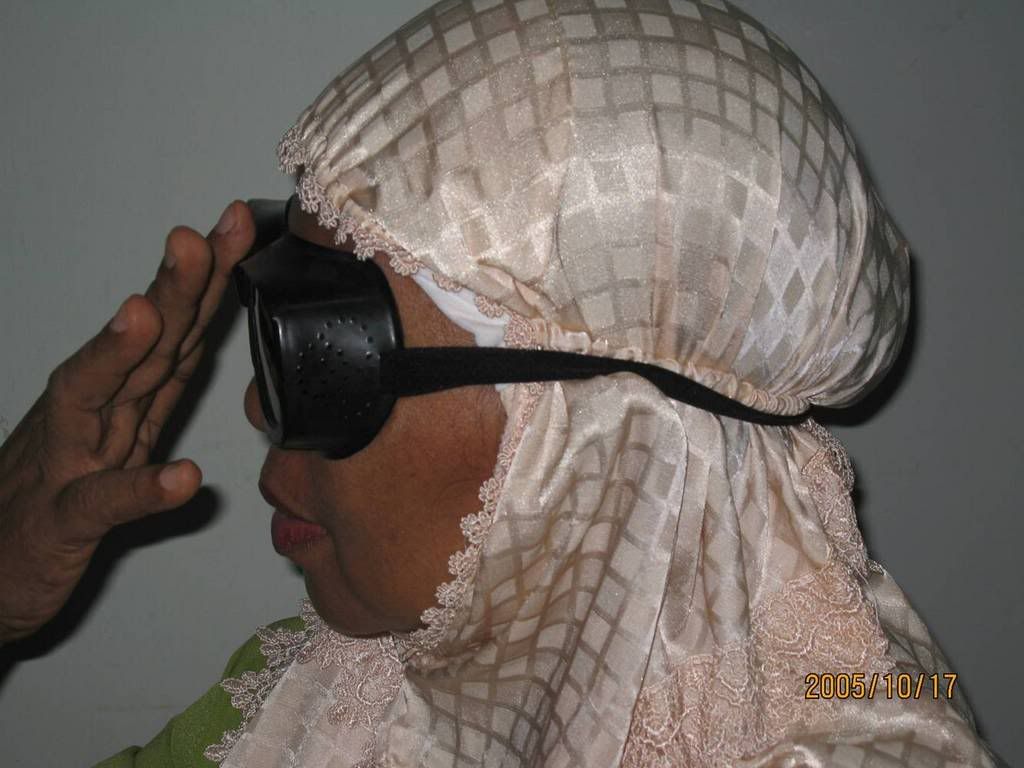
My regiment for you is low level laser. Please, no heat modality, due to edema. Low level laser will not increase the temperature above body temperature. It is to reduce the pain and the edema. I am going to immobilize your thumb. But if during four weeks of treatment, there is no relief , may be our surgeon will help you.

The trigger thumb, occurs from thickening of the sheath or the tendon or both which prevents gliding of the tendon within the sheath . Local injections of cortisone into the sheath may result in good recovery . if locking persists , excision of the thickened is performed. That is not my competent. I told you, my first concern is your pain due to De Quervein’s. I use low level laser AMM50, about 830 nm, probe 50 mW, The dose 30 Youles. It is big enough. I am going to decreases the dose if your pain and edema decrease.

(Hand pain and impairment, Rene Cailliet)


De Quervein's


Trigger Thumb

Sunday, April 29, 2007

Cases - agenda


Going next reports for you.


Mrs Nurati. Long case neuropathy


ILIB for stroke


LLLT for sinusitis


LLLT for dysphagis


LLLT for hipokalemi


Thursday, April 26, 2007

Low Level Laser for Hernia Nucleus Pulposes (HNP)


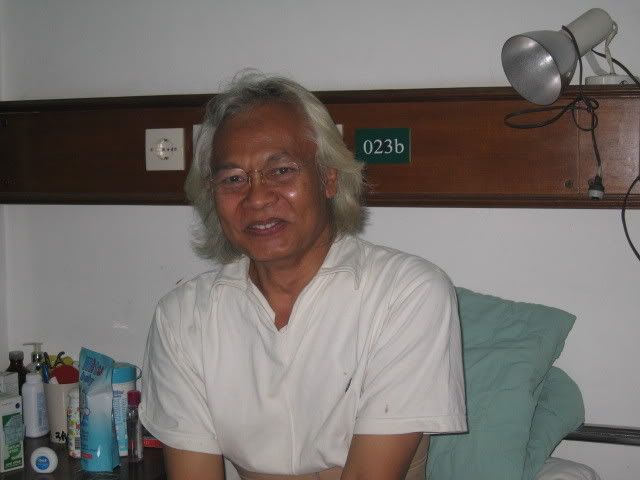
May I introduce : mr Hamid Supriyanto
He is 53 years old, father of 5 children, 2 boys and 3 girls

Mr . Hamid's story:
Hospitalized due to very severe sciatic pain , after gardening.
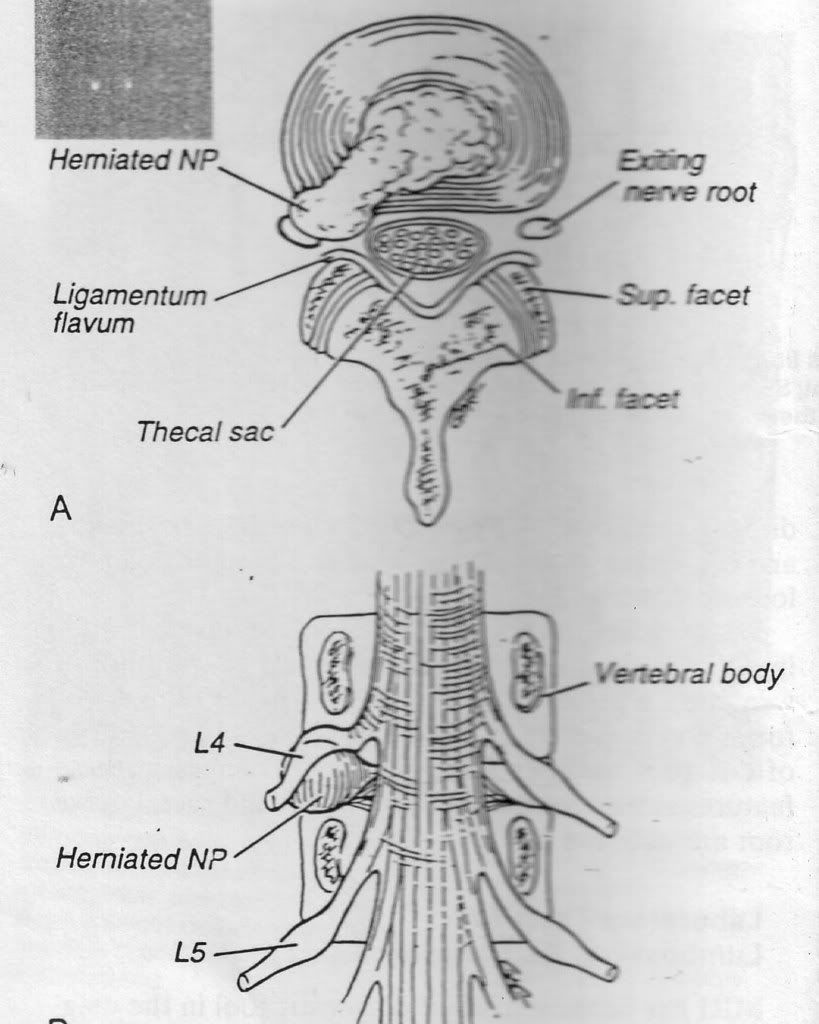
Mr Hamid diagnose as Hernia Nucleus Pulposes (HNP) ; L 2,3,4 and 5. Refused to surgical approach.


Yes, Sir. Your problem is common to middle-age man, especially after strenuous activity. You did gardening, and pulled bushes . Your roentgens shows bulging at L2. 3.4 and 5. the pain radiated to your buttock, posterior thigh , and lateral calf. It follows the path of sciatic nerve .


Therapy began with totally bed rest due to your pain (vas almost 10). Modality TENS to reduce the spasm. But after almost 3 weeks, your pain still above 6, laser is the answer. First with transcutaneus approach, 30 minutes. The pain still annoying, although you could ambulation using lumbosacral corset and cane. It was comfort for your at 1 hours therapy .

So , I decided to used ILIB, given twice a week. The pain gone after the 4th ILIB, walking freely , erect , without cane, after 5th therapy, and your daily activity full recovery. (You do gardening and riding your motorcycle).


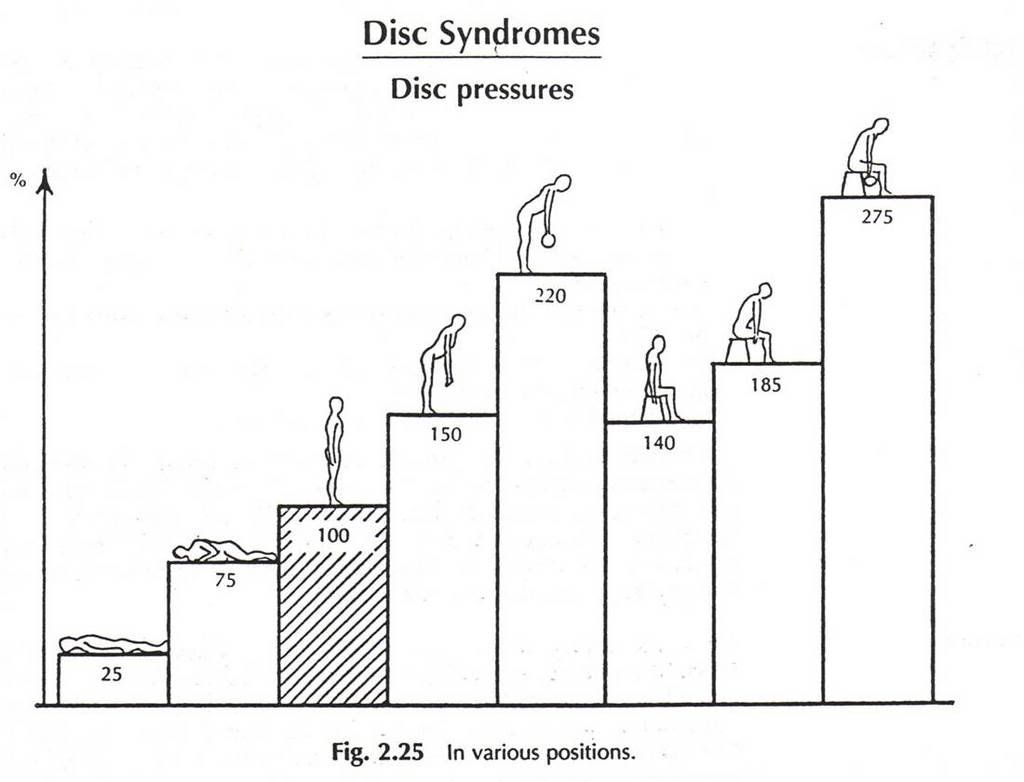
Although we are lying supine in bed, it is not free .
The load will be 100 % during upright position.

Discussion:

Yet laser is the main modality for your problem, but bed rest, TENS , and avoid weight using lumbosacral corset have the portion.

Along with laser ubi quinon , and neurotropic agent . Ubi quinon works at mitochondria as well as the laser. Neutropic agent for nerve healing conjunctions with laser.

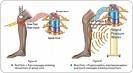
Figure above demonstrates relative changes in L3 disk pressures in various position . Although in lying position, no weight free. In patient with HNP, lumbosacral orthose reduces or avoid weight , so no nerve impingement .

ILIB more forceful than transcutaneus. As the results, your pain reduced faster.


Saturday, April 21, 2007

Combining nanotechnology with LLLT: visions for the next 10 years

by Andrei P. Sommer

Department of Biomaterials, ENSOMA-LaCentral Institute of Biomedical Engineering
University of Ulm, Germany
samoan@gmx.net


Wound healing via laser light goes back to Prof. Endre Mester. First reports on his pioneering work started in 1967. For biostimulation he used the coherent light of powerful 50mW He/Ne-lasers (632.8nm). The Mester group has been continuously successful from the beginning. But only a minority of researchers could reproduce the success of the biostimulation experiments.

33 years after introducing the paradigm of photobiostimulation, the LILAB-equation has been anchored into LLLT [1] - establishing the biological limits of the dose (energy density) and the light intensity. Recent laboratory experiments, demonstrating that various individually administered wavelengths of laser light applied at energy densities of the same order induced comparable biological effects in rats, could be interpreted as additional evidence in support of the LILAB-equation [2].

During the 1st NOA Conference [3] a multidisciplinary group of ten scientists from Brazil, Denmark, Finland, France, Germany, Hungary, Israel, Saudi Arabia and U.S.A. evaluated possibilities of validating LLLT. One of the discussed visions has been to directly investigate the molecular mechanisms of light-induced wound healing processes occurring in LLLT via Nearfield Optical Analysis (NOA). The vision has been so promising that Attila Pavláth - President ACS - became eventually interested in supporting the group, and the ACS officially cosponsored the 1st NOA Conference for "evaluating the molecular mechanism of accelerated and normal wound healing processes", thus ignoring the insurmountable gap which persisted between the vision and the experimental possibilities:

Nearfield Optical Analysis (NOA) via Nearfield Scanning Optical Microscopy (NSOM) existed since 10 years, however, nobody has so far succeeded to image a living cell under physiological conditions with this method. Two particular reasons seemed to oppose any substantial progress: the problem of operations in aqueous environments, and the "low optical contrast", characteristic of optically investigated unlabeled living cells. The first problem has been solved at the European Nearfield Scanning Optical Microscopy (ENSOMA) Laboratory by the use of hydrophobically coated biosensors, and the milestone could be presented during the 1st NOA Conference in November 2000 [4].

NSOM [5] has produced highest optical resolution that has ever been achieved, a method exploiting the energy transfer from the tip of an optical element (tip diameter 20nm) oscillating within the characteristic range of the energy transfer (~ 10nm) in the nearfield of the surface to be analyzed. Irradiation-induced energy transfer between excited molecules (emitter) and receptor molecules (acceptor) positioned in the proximity of the emitter molecules via spacer molecules, has been confirmed experimentally (Kuhn, 1970).

During the 2nd NOA Conference, held in May 2001, and cosponsored by NASA and DARPA: 2nd International NASA/DARPA Photobiology Conference on Nearfield Optical Analysis (NOA), at the National Aeronautics and Space Administration - Johnson Space Flight Center (NASA-JSC), Houston, TX, U.S.A., we went, en route to solve the "low optical contrast" problem, one step further and demonstrated that clear NOA images could be obtained from nanobacteria in an aqueous environment - an encouraging advance [6]. The 2nd NOA - with more than 40 international photobiology peers - promoted both LLLT and NOA, with the special result that LLLT/LILAB could advance in less than six month to scientific acceptance in three fields: civil, military and space relevant.


The scientific breakthrough came just before the 3rd NOA (Brazil, June, 2002) in form of the publication of clear nanoscale images of human dentin in an aqueous environment [7], and the very first images of living endothelial cells in liquid cell culture medium [8], thus opening an optimistic perspective to a direct analysis of LLLT mechanisms. The cells were attached to polished titanium discs and analysed with hydrophobically coated optical biosensors mounted to a conventional NSOM microscope. We are presently in an era where cellular imaging and photobiology is becoming important to wide ranging disciplines. The recent advances in NOA have provided us with the technology necessary for identifying relationships between cellular activities and various photonic stimuli - on Earth and in space. Cellular imaging of living cells via NOA has been recognized as extremely beneficial, in particular for biomedical applications [3] and in tissue bioengineering [9].

Our vision, presumably realizable via NOA, could be generalized as: Time resolved analysis of the LLLT induced molecular mechanisms in living cells, with the light energy densities and intensities conform to the LILAB-equation, and with different wavelengths of coherent and non-coherent light, allowing to systematically understand and optimise the LLLT parameters.

References

[1] Sommer, A.P, Pinheiro, A.L.B., Mester, A.R., Franke, R.P., Whelan, H.T. Biostimulatory
Windows in Low Intensity Laser Activation: Lasers, Scanners and NASA's Light Emitting Diode Array System. J. Clin. Laser Med. & Surg., 19, 29-33, 2001. (Medline)

[2] Al-Watban, F. Comparison between Laser Therapy and Pharmacological Treatments in Accelerating Wound Healing - an extended study in: Proc. 2nd International conference on nearfield optical analysis: photodynamic therapy & photobiology effects. Johnson Space Flight Center, May 2001, Houston, TX, NASA Conference Publication, in press.

[3] Preface, Proc. 1st International Workshop on Nearfield Optical Analysis, Reisensburg, Germany, November 2000, (ed. A.P. Sommer) J. Clin. Laser Med. & Surg., 19, 109-112, 2001.

[4] Sommer, A.P. Components for NOA of Biosystems and Nanoscale Resolution, in: Proc. 1st International Workshop on Nearfield Optical Analysis, Reisensburg, Germany, November 2000, (ed. A.P. Sommer), J. Clin. Laser Med. & Surg., 19, 112, 2001.

[5] For a schematic of NSOM and a short principle explanation see: http://www.ensoma.net (click on the Greek letters and in the middle).

[6] Sommer, A.P. Nearfield Optical Analysis (NOA) via Hydrophobic Optical Elements & Low Intensity Light Activated Biostimulation (LILAB) Effect of NOA. Proc. 2nd International conference on near-field optical analysis: photodynamic therapy & photobiology effects. Johnson Space Flight Center, May 2001, Houston, TX, NASA Conference Publication, in press.

[7] Sommer, A.P., Franke, R.P. Hydrophobic optical elements for near-field optical analysis (NOA) in liquid environment - a preliminary study. Micron, 33, 227-231, 2002. (Medline)

[8] Sommer, A.P., Franke R.P. Near-Field Optical Analysis of Living Cells in Vitro. Journal of Proteome Research, 1, 111-114, 2002. (ACS/ASAP-article)

[9] A.P. Sommer, Novel Low Intensity Light Activated Biostimulation Paradigm, in: Abstracts of the Second Congress of the North American Association for Laser Therapy & First Consensus Conference on Laser Medicine, Photobiology and Bioengineering of Tissue Repair, Atlanta, GA, March 2002.

Tuesday, April 17, 2007

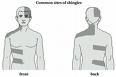
Low Level Laser in Herpetic Neuralgia

Case report :

A year ago, Mr Djoko, visited my office due to herpetic neuralgia. Sent by prpfesor Adhi Juanda, dermato-venerologyst,. The vesicles already diminished, but his visual analoge scale (v a s) for pain , above 7. Still some hyperpigmentations (spots) area left chest, intercostals space 3,4 , and 5 betwenn sternum and axilla anterior line.

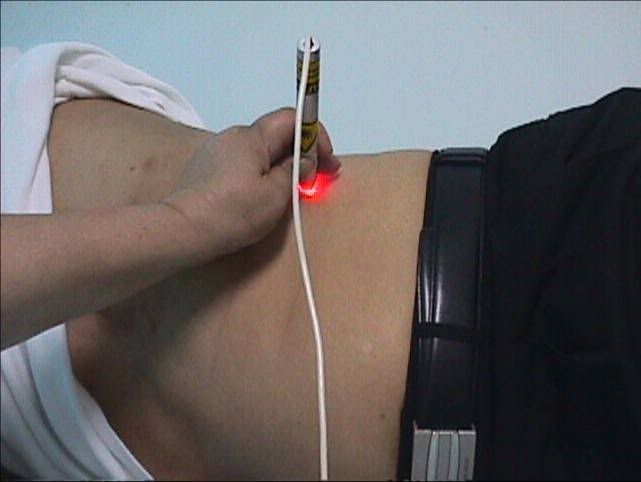
I try to blok the nerve, . two centimeter to the left from body of the spine , intercostals 1,2, 3 4 and 5; 5 poiints, 5 Joule per point . same dose at posterior line axillary, and area of spots 3 points, 5 joule every point. The total dose was: 65 Joule. Suddenly after treatment, the vas decreased become 3. (Diode laser 810 nm 50 mW)

The pain disappear after 10 treatment (everyday , axept Sunday), but after a week, he felt discomfort again with vas between 3 and 4..

Almost 1 year he come ones a week, with pain vas between 1 - 2.. I give trancutaneus ( half hour), and probe at the points he feel pain, ( 10 minutes). No pain at the end of the the treatment. (Diode 650 nm; transcutaneus 50 mW; probe 50 mW)

Two months a go, he retired from his office , and begin his own business. He feel more comfort, and the pain no annoying anymore, He still visit my office ones a month, just to make sure no pain again.

Discussion:

I used the laser to manage the pain by blocking the nerve. It is not usual for herpetic neuralgia. According to Kert and Rose, they suggest treatment at the vesicle.

Also the dose, rather higher than guidance, they recommend 1 – 2 Joules per point, with total about 15 – 20 Joules.

Is there any connection between the pain and emotional problem ???

Drugs :

Ubi quinon given a long with laser. Ubi quinon works at mitochondria, as well as low laser. Methycobalamin, 500 mg, twice daily. At the first month, drugs for pain also administered.. NSAID, ones a day during first month, after that, he drink, just if the pain going increase more than vas 2.

Here some abstracts :

DOUBLE BLIND CROSSOVER TRIAL OF LOW LEVEL LASER THERAPY (LLLT) IN THE TREATMENT OF POST HERPETIC NEURALGIA

Kevin C Moore MB ChB FRCA Naru Hira. Parswanath Kramer, Copparam Jayakumar & Toshio Ohshiro

Department of Anaesthesia, The Royal Oldham Hospital,

Post herpetic neuralgia can be an extremely painful condition which in many cases proves resistant lo all the accepted forms of treatment. It is frequently most severe in the elderly and may persist for years with no predictable course. This trial was designed as a double blind assessment of the efficacy of low level laser therapy (LLLT) in the relief of the pain of post herpetic neuralgia with patients acting as their own controls. Admission to the trial was limited to patients with established post herpetic neuralgia of at least six months duration and who had shown little or no response to conventional methods of treatment. Measurements of pain intensity and distribution were noted over a period of eight treatments in two groups of patients each of which received four consecutive laser treatments. The results demonstrate a significant reduction in the pain intensity and distribution following a course of low level laser therapy.

Laser Therapy. 1988; 1: 7.

EFFICACY OF LOW REACTIVE-LEVEL LASER THERAPY (LLLT) FOR PAIN ATTENUATION OF POSTHERPETIC NEURALGIA

Osamu Kemmotsu, Kenichi Sato, Hitoshi Furumido, Koji Harada, Chizuko Takigawa, Sigeo Kaseno, Sho Yokota, Yukari Hanaoka and Takeyasu Yamamura

Department of Anaesthesiology, Hokkaido University School of Medicine, N-15, W-7, Kita-ku, Sapporo 060, Japan

The efficacy of low reactive-level laser therapy (LLLT) for pain attenuation in patients with postherpetic neuralgia (PHN) was evaluated in 63 patients (25 males, 38 females with an average age of 69 years) managed at our pain clinic over the past 4 years. A double blind assessment of LLLT was also performed in 12 PHN patients. The LLLT system is a gallium aluminium arsenide (GaAlAs) diode laser (830 nm, 60 mW continuous wave) Pain scores (PS) were obtained using a linear analog scale (0 to 10) before and after LLLT. The immediate effect after the initial LLLT was very good (PS: 0-3) in 26, and good (PS: 7-4) in 30 patients. The long-term effect at the end of LLLT (the average number of treatments 36 +/- 12) resulted in no pain (PS: 0) in 12 patients and slight pain (PS: 1-4) in 46 patients. No complications attributable to LLLT occurred. Although a placebo effect was observed, decreases in pain scores and increases of the body surface temperature by LLLT were significantly greater than those that occurred with the placebo treatment. Our results indicate that LLLT is a useful modality for pain attenuation in PHN patients and because LLLT is a non invasive, painless and safe method of therapy, it is well acceptable by patients.

0898-5901/91/020071-05$05.00 Ì 1991 by John Wiley & Sons, Ltd.