Friday, March 16, 2007

Rheumatoid Arthritis


Pingkan's story


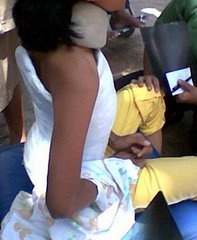
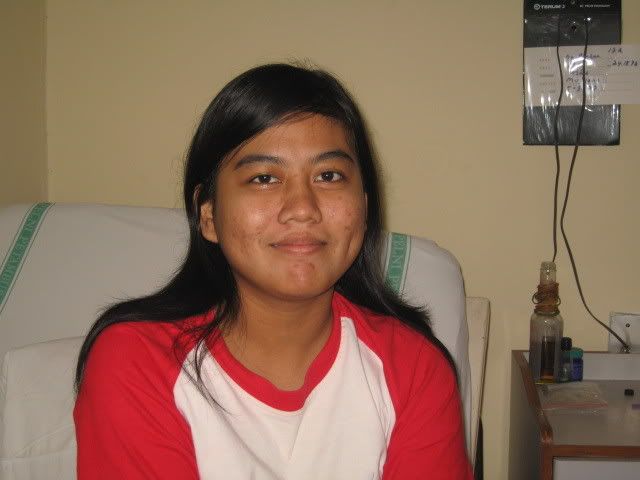
Pingkan is in hospital now. She hospitalized due to pain on her both hands and both knees. The working diagnosis is suspect Rheumatoid Arthritis (RA) . The pain very annonying her. I promised to explain to her about RA. but I also ask her to write the history about her illness.
While waiting her story,below a highlight about RA

What is Rheumatoid arthritis (RA)
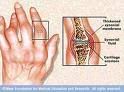
Rheumatoid arthritis is a chronic, inflammatory, multisystem, autoimmune disorder. It is commonly polyarticular, i.e. it affects many joints. The joints are usually affected initially asymmetrically and then in a symmetrical fashion as the disease progresses. The pain generally improves with use of the affected joints, and there is usually stiffness of all joints in the morning that lasts over 1 hour. The pain of rheumatoid arthritis is usually worse in the morning.
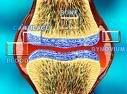
Dear Pingkan, how about your pain?

Deformities

As the pathology progresses the inflammatory activity leads to erosion and destruction of the joint surface, which impairs their range of movement and leads to deformity. The fingers are typically deviated towards the little finger (ulnar deviation) and can assume unnatural shapes. Classical deformities in rheumatoid arthritis are the Boutonniere deformity (Hyperflexion at the proximal interphalangeal joint with hyperextension at the distal interphalangeal joint), swan neck deformity (Hyperextension at the proximal interphalangeal joint, hyperflexion at the distal interphalangeal joint). The thumb may develop a "Z-Thumb" deformity with fixed flexion and subluxation at the metacarpophalangeal joint, and hyperextension at the IP joint.
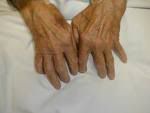

basic rehabilitation treatment principles
are:
1. relieve pain
2. prevent joint damage and eformities
3. maintain strength and function
4. educate the patient and family
5. help the patient adapt emotionally to life-style limitations
imposed by the diseases proses.

Lovely Pingkan. May be we should try to use Low Laser for you to relive pain.
Would you please click my blog about: Low Level laser in Rheumatoid Arthritis:
the paper just won the 3rd place free paper competition !

(Conclusion : Low level LASER therapy combine with isometric hand strengthening exercise can reduce pain and increase the MCP range of motions in patients with hand rheumatoid arthritis )
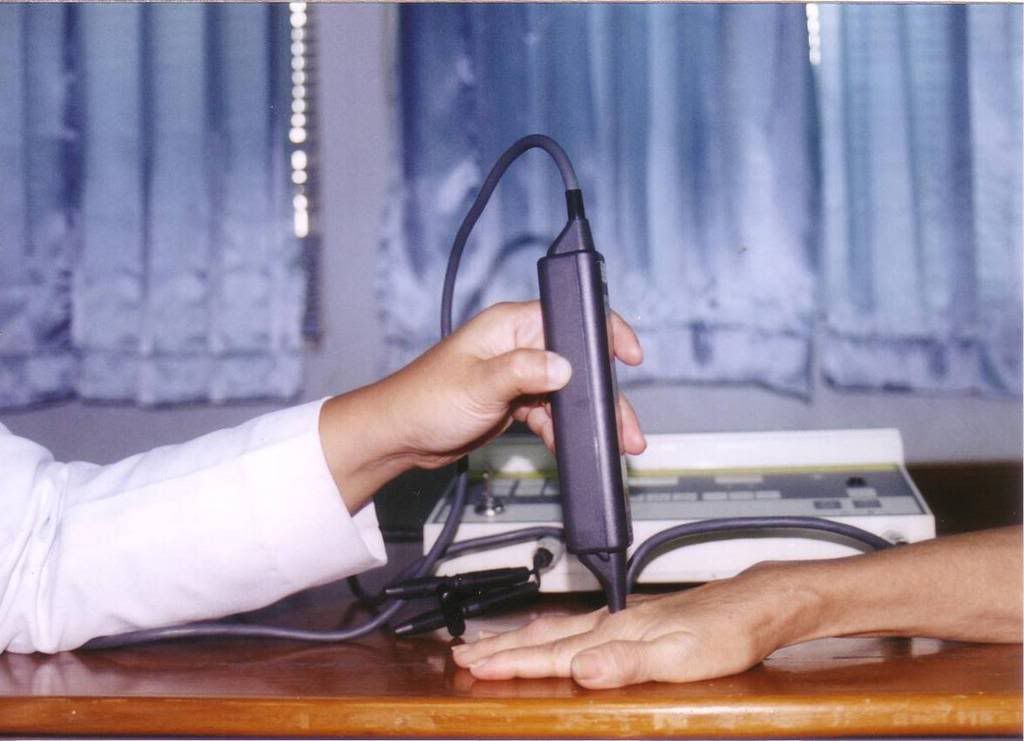


It is safe for you?

Phototherapy is FDA approved for a number of applications and has been deemed safe. It also requires relatively little time to perform. Established protocols and tissue dosages have been established that make clinical application relatively easy

Why you dear? Let's look the epidemiology

Epidemiology

The incidence of RA is in the region of 3 cases per 10,000 population per annum. Onset is uncommon under the age of 15 and from then on the incidence rises with age until the age of 80. The prevalence rate is 1%, with women affected three to five times as often as men. It is 4 times more common in smokers than non-smokers. Some Native American groups have higher prevalence rates (5-6%) and black persons from the Caribbean region have lower prevalence rates. First-degree relatives prevalence rate is 2-3% and disease concordance in monozygotic twins is approximately 15-20%


Saturday, March 10, 2007

Philosophy of Rehabilitation Medicine


World Health Organization (1980)


q Impairment : any loss or abnormality of psychological, physiological, or anatomical structure or function

q Disability : any restriction or lack resulting from an impairment of the ability to perform an activity in the manner or within the range considered normal for human being

q Handicap : a disadvantage for a given individual , resulting from an impairment or a disability, that limits or prevents the fulfillment of the role that is normal for that individual


Conventional Medical Model Versus Rehabilitation Model

The general orientation of the medical model is toward disease, while rehabilitation medicine is toward disability, or more broadly , illness.

Diseases is defined as the interaction of a pathologic process with individual molecules , cells, and organs. It is essentially a biological event.

Disability or illness, is essentially a human event. It represents the resulting interaction of a person with a disease.


Physician’s Role

In the medical model, the physician role tends to be active. It is a physician who does the examination, orders the tests, makes a diagnosis, abd prescribes appropriate medications. The physician role in rehabilitation model also encompasses these functions but extends to include helping the patient adjust to the disability and problem solving to minimize the functional loss from a long-term, chronic condition.

Patient’s Role

In the medical model, the patient’s role is often passive and uninformed , with diagnosis and therapeutic measures done or given to him. By contrast , in the rehabilitation model, the patient is encouraged to be an active, informed participant.

Friday, March 9, 2007

OSTEOARTHROSIS GENU- REHABILITATION MEDICINE APPROACH

Impairment, Disability, and Handicap


Other terms associated with rehabilitation include impairment, disability, and handicap. Impairment is the residual limitation resulting from disease, injury, or a congenital defect. Disability is the inability to perform some key life function.
Handicap is the interaction of a disability with the environment.

Report from my office

Mrs. Emma was sent to me with working diagnosis: bilateral knee osteoarthritis. Using rehabilitation terminology, knee osteoarthrosis (OA genu) was her impairment. No limitation to perform activity of daily living (eating, bathing, grooming, toileting), means no disability. Chief complaint: very painful when walking (Visual Analog Scale/ VAS > 6), Handicap : yes.

Program : Goal : pain reduction

Regiment: Diode laser, output 90mW; 60 J , 3 times, every other day

Knee support

Discussion : Low Level Laser given to reduce pain.

Another modality, such as TENS, would not be helpful if VAS for pain > 6

Knee support : to reduce weight bearing , pain reducing is the result

Resulted: mobility: minimally pain while walking after 3rd cold laser ;

no more handicap

Rehabilitation working diagnosis: Impairment : yes :OA Genu

Disability : no

Handicap : no

Program : Impairment: - glucosamine-chondroitine; Quadriiceps isometric exrecise


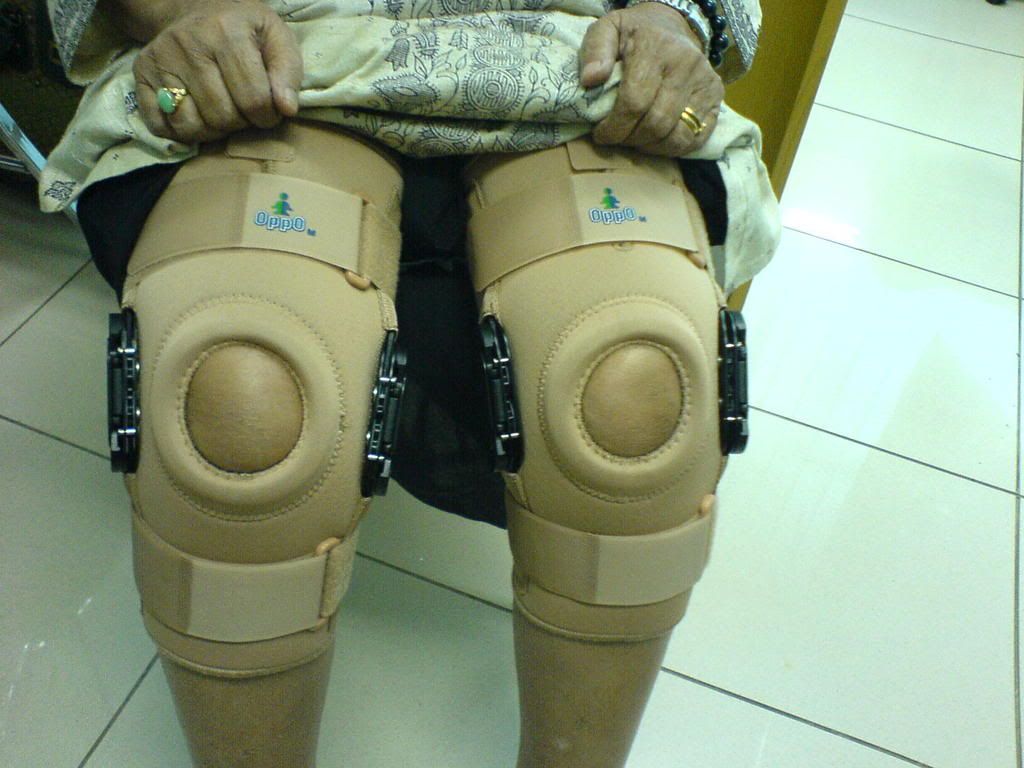
Knee support for Mrs. Emma - bilateral


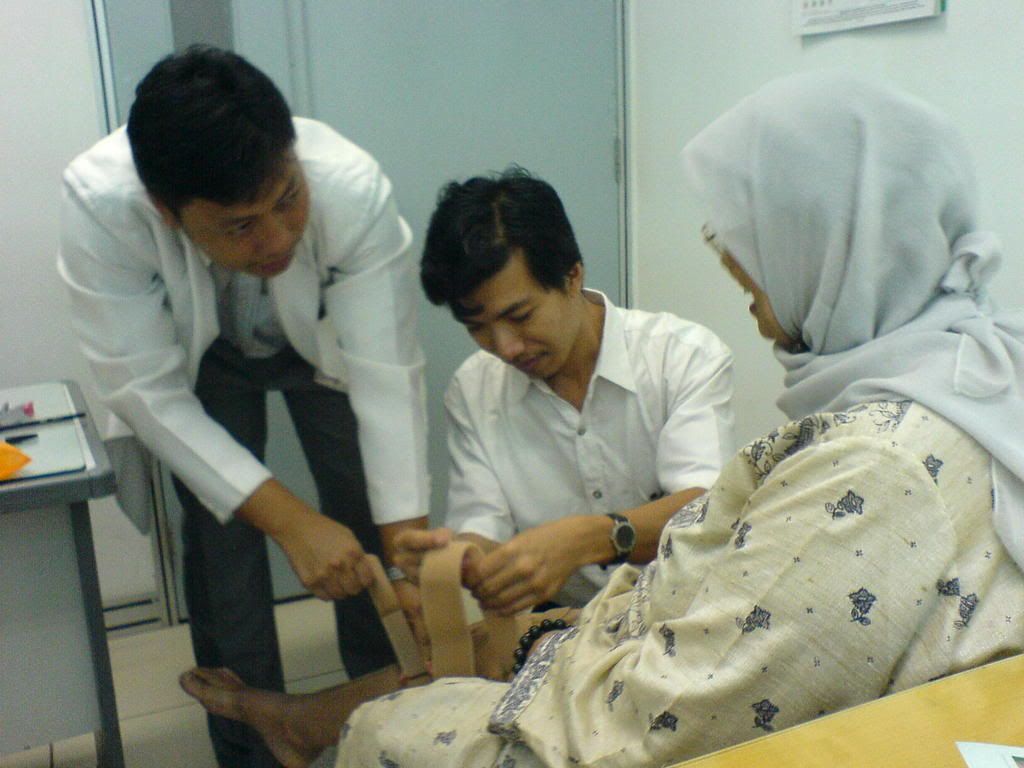
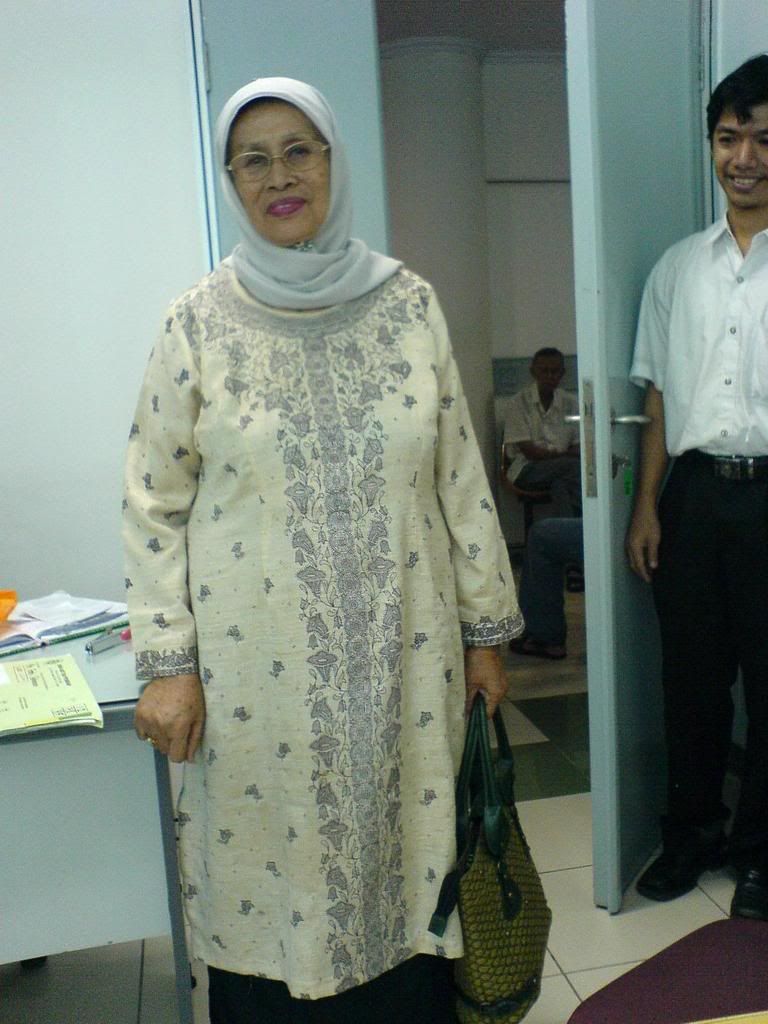
Knee support check out


Smiling happily !!!


ANKLE SPRAINS - REHABILITATION


FROM : SKYLARK MEDICAL CLINIC

Ankle Sprains

Ankle sprains are one of the most common sports medicine injuries.
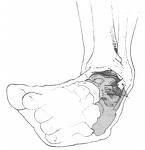
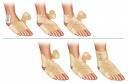
The ankle is stabilized by 3 ligaments on the outside - the anterior talofibular, calconeal fibular and posterior talofibular ligaments (see figure-1st panel, and by a fan-like ligament in the inside-the deltoid ligaments)

Inversion injuries (turning the ankle inward, strain the outer ligaments, while eversion injuries will sprain the inner deltoid ligament. Sprains are classified by degree of severity.

1st degree sprains involve stretching of the ligaments but not tears. There is minimal swelling and instability. Usually the patient may resume sports within a few weeks. This is most common in ankle injury.
2nd degree injuries involve tearing of ligaments with more swelling and bruising. This may take 3-8 weeks to return to sports.
3rd degree injuries involve severe tears of the ligament (yet surgery is rarely required). Because the ligaments are torn it may take 8-12 weeks to heal. Laxity and instability can result of this injury. Many injuries with incomplete tears fall between 2nd and 3rd degree tears.

Treatment of Ankle Sprains
The first thing to do is accurately diagnosing an ankle sprain and not missing other serious fractures that require other treatment.Any injury that is very painful or unable to walk on should be suspected as a fracture and be seen by a doctor. The severity of the injury should dictate the treatment. Even a severe ankle sprain should be kept splinted and on crutches (even if no fracture is seen on the x-ray) since this treatment will also help them heal


Approach to Rehabilitation
Stage 1
- Inflammation (3 days) It is important to rest and splint the ankle. PRICES or Protection, Rest, Ice, Compression, Elevation and Support, will help decrease the pain and swelling associated with the acute injury. An anti-inflammatory drug may be used as well. That will treat both the inflammation and the pain.
Stage 2 - Early mobilization and strengthening (up to 1week) This involves walking on injury (assisted with crutches for partial support if needed). Taping or a brace will also give support. Early exercises to maintain range of motion are important.
Stage 3 - Rehabilitation This involves improving ankle strength, flexibility, and balance. Physiotherapy or athletic therapy is important (this may begin on the 2nd week)
Stage 4 - Late Rehabilitation It is important to ensure that the ankle is adequately strong enough to allow return to sport.


Some advocate 'over-rehabilitation' which refers to the continuing of stretching and exercise programs at home to ensure that this same injury will not reoccur. Often making the athlete stronger than they were before the injury.

Forms of Treatment

Crutches - should be used whenever the injury is very painful to walk on. Gradually crutches may be used less as the injury heals, by allowing more weight to rest on the foot.


Athletic Taping - supportive athletic tape is applied to the ankle to give support. The tape must be applied by an experienced therapist and not left on overnight as it can interfere with circulation

Ankle Braces - commercial over-the-counter braces give similar support to taping but may be easily applied by the patient and are reusable. They may also be used continually to prevent future ankle injuries.

Ankle braces such as "aircast" or equivalent are useful in limiting the injured ankle motion to an up and down plane (dorsiflexion/plantar flexion) but preventing any rolling over. This allows a quicker return to normal activities without re-injuring the injured ankle.

Medications
As mentioned earlier, anti-inflammatories are used at the onset to control inflammation and pain. They are also of benefit later during rehabilitation.
Analgesics such as Tylenol (acetaminophen) give pain control but not ant-inflammation. Glucosamine is a herbal agent that although slower in onset, has anti-inflammatory effects.
Corticosteroid injections are sometimes used in chronic injuries that still have significant pain and swelling but are not used for fresh injuries.

Tuesday, March 6, 2007

Efficacy of different therapy regimens of low-power laser in painful osteoarthritis of the knee: a double blind and randomized-controlled trial

Efficacy of different therapy regimens of low-power laser in painful osteoarthritis of the knee: a double blind and randomized-controlled trial

Gur A; Cosut A; Sarac AJ; Cevic R; Nas K; Uvar A

Physical Medicine and Rehabilitation ; School of Medicine , Dicle University, Diyarbakir , Turkey.

alig@dicle.edu.tr

BACKGROUND MEDICINE OBJECTIVES: A prospective , double blind, randomized, and controlled trial was conducted in patients with knee osteoarthritis (OA) to evaluate the efficacy of infrared low-power Gallium-Arsenide (Ga-As) laser therapy (LPLT) and compared two different laser therapy regimens.

STUDY DESIGN/ MATERIALS AND METHODS: Ninety patients were randomly assigned to three treatment groups by one of the nontreating authors by drawing 1 of 90 envelops labeled ‘A’ (Group I : actual LPLT consisted of 5 minutes, 3 J total dose +exercise ; 30 patients ), ‘B’ (Group II: actual LPLT consisted of 3 minutes , 2 J total dose + exercise ; 30 patients); and ‘C’ (Group III: placebo laser group + exercise ; 30 patients). All patients received a total of 10 treatments , and exercise therapy program was continued during study (14 weeks). Subjects, physician, and data analysis was complete. All patients were evaluated with respect teek 0o pain, degree of active knee flexion, duration of morning stiffness, painless walking distance and duration , and the Western Ontario and Mc Master University osteoarthritis Index (WOMAC) at week 0,6,1, and 14.

RESULTS: Statistically significant improvements were indicated in respect to all parameters such as pain , function, and Quality of Life (QoL), measures in the post-therapy period compared to pre-therapy in both active laser groups (p< style=""> and in parameters such as pain, and WOMAC of the Group II , were more statistically significant when compared with placebo laser group (p<>

CONCLUSIONS: Our study demonstrated that applications of LPLT in different dose and duration have not affected results and both therapy regiment were a safe and effective method in treatment of knee OA.Copyright 2003 Wiley- Liss, Inc.

PMID: 14677160 (PubMed – indexed for MEDLINE)